Can Your Furnace Make It One More Winter? How to Decide Between Repair and Replacement
LouAnn Sheldon November 12, 2026 5 min read
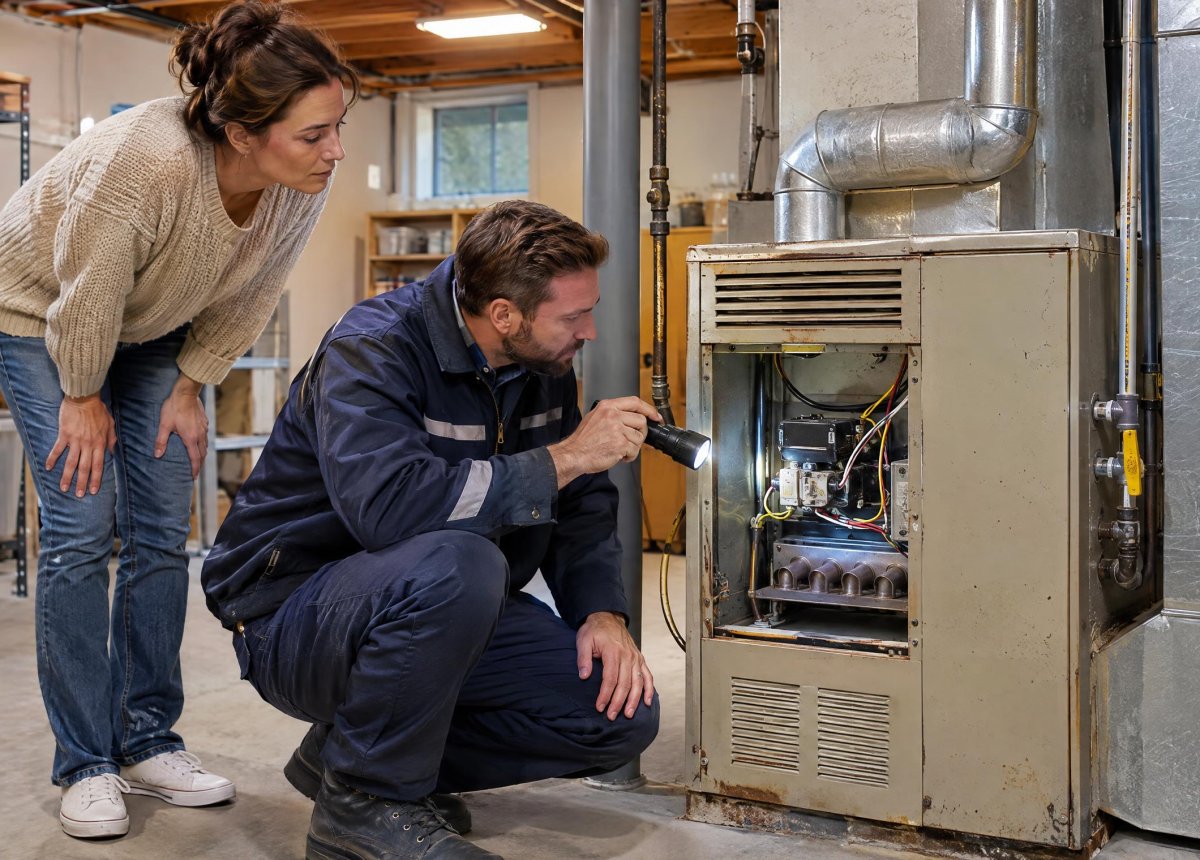
The furnace is cycling more than it used to, a room or two feels colder than it should, and the forecast is dropping. Now you’re weighing a few hundred dollars for a repair against a few thousand for a new system, and wondering whether this one can limp through one more February.
It’s a fair question, and the honest answer is that it depends. Age, repair cost, safety, and efficiency all play a part, and the right call for your neighbor may not be the right call for you.
Since 2006, Action Plumbing, Heating, and Cooling has helped Southern Tier families make this exact decision. Our NATE certified technicians will tell you what’s worth fixing, and when it isn’t.
Start With Age and Repair History
Most gas furnaces last around 15 to 20 years with good care. A 12-year-old furnace with a clean repair history usually has life left. A 20-year-old unit that needs help every winter is a different story.
A common rule of thumb: if a repair costs about half the price of a new furnace, or the furnace is near the end of its life and needs a major part, replacing it usually makes more financial sense. Regular furnace tune-ups and the habits in our post on annual furnace maintenance are the best way to push a healthy furnace toward the long end of that range.
Safety Comes Before Cost
Some problems are not worth repairing, no matter what the furnace is worth. Watch for:
- A cracked heat exchanger, which can leak carbon monoxide
- A yellow or flickering burner flame instead of a steady blue one
- Soot, rust, or moisture around the furnace
- A carbon monoxide alarm that sounds
If a CO alarm goes off, leave the house and call for help. Our fall furnace safety check walks through what you can look at yourself. A cracked heat exchanger usually points to replacement rather than repair.
Repairs Worth Making and Signs It’s Time to Replace
Smaller parts such as ignitors, flame sensors, and thermostats are usually worth furnace repair on a furnace that is otherwise healthy. If yours has stopped heating, our no-heat checklist and guide to furnace noises and what they mean can help you gauge how serious it is.
Replacement starts to look smarter when you see several of these:
- The furnace is 15 to 20 years old or more
- You’re paying for repairs every year, or facing one big bill
- Heating bills keep climbing without any change in how you live
- Rooms stay uneven or cold no matter what you adjust
- Loud banging, rattling, or repeated short cycling
What About One More Winter?
Sometimes the answer is yes. If the furnace is safe and needs only a modest repair, nursing it along while you plan a replacement for spring or summer is a sound strategy, and our post on why August is the smartest month to replace your furnace explains the timing benefits.
The risk is waiting until the furnace fails on the coldest night of the year. At that point you’re choosing from what’s available instead of what’s best. Planning ahead gives you time to compare a new furnace installation against other options, such as a Heil furnace or a Mitsubishi heat pump paired with your existing furnace, as covered in keep the furnace, add a heat pump. A higher-efficiency system can also ease your heating costs, and you can keep an eye on rates at NYSEG.
Making the Call With Confidence
If your furnace is safe, fairly young, and needs a small fix, repair it. If it’s old, unsafe, or draining your wallet in repairs, replacement will likely pay you back in comfort and peace of mind.
Not sure which side you’re on? Call (607) 205-1177 or request an estimate online, and we’ll give you an honest assessment with clear pricing and no pressure. We serve Endicott and homes throughout the Southern Tier.