Strange Noises Coming from Your Furnace? Here's What They Mean
LouAnn Sheldon April 20, 2026 8 min read
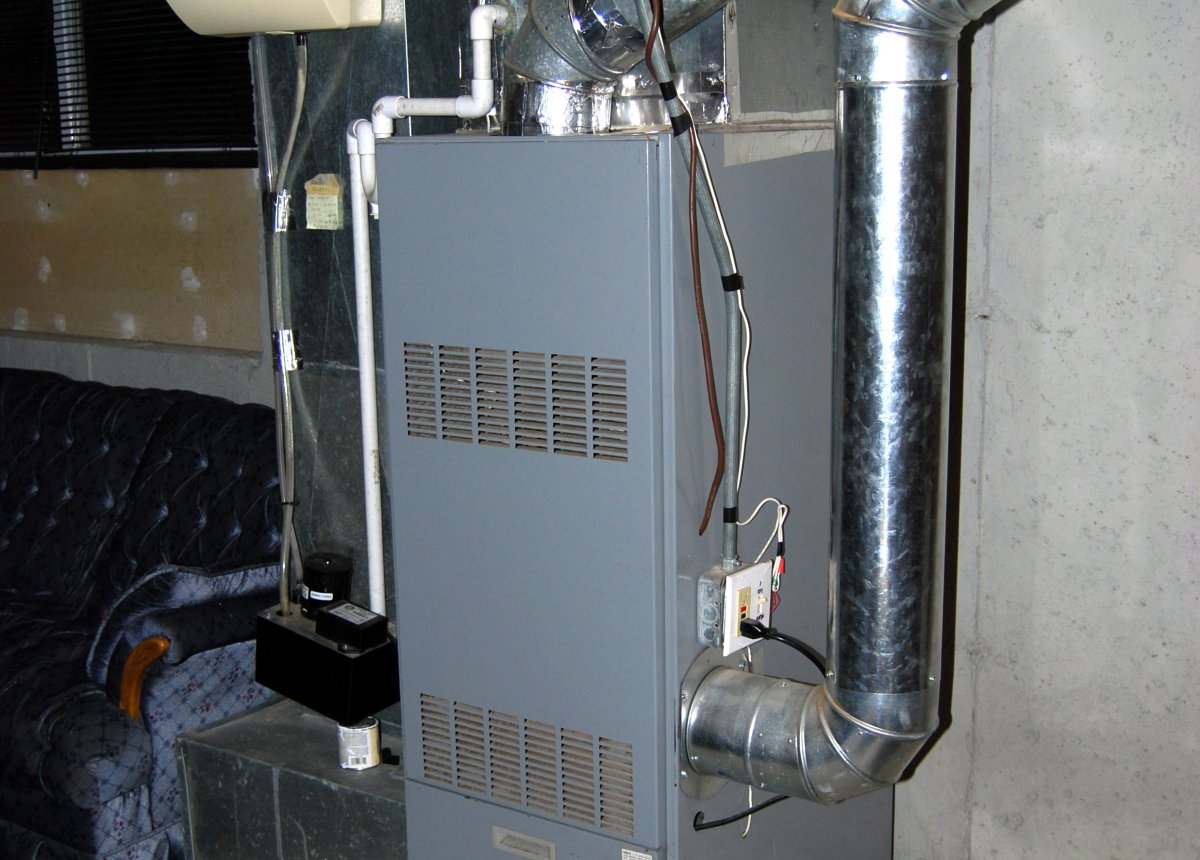
It’s 11 PM on a February night in Binghamton, and your furnace suddenly starts making a sound it’s never made before. A bang. A rattle. A high-pitched squeal. Most homeowners’ first instinct is to hope it goes away on its own — and sometimes it does. But more often, unusual furnace sounds are your heating system’s way of telling you something needs attention before it becomes a real problem.
With Southern Tier winters running from October through April, your furnace doesn’t get much downtime. That workload takes a toll. Since 2006, the NATE-certified technicians at Action Plumbing, Heating, and Cooling have diagnosed and repaired furnaces throughout Greater Binghamton, and we’ve heard just about every noise a furnace can make. Here’s what the most common ones actually mean.
Banging or Booming Sounds
A loud bang when your furnace first kicks on is one of the more startling sounds homeowners report — and also one of the more important ones to address promptly. This is typically caused by delayed ignition: gas builds up in the combustion chamber because the burners aren’t igniting immediately, then all that gas ignites at once with a small explosive pop or bang. Delayed ignition is often caused by dirty burners, a failing ignitor, or a gas pressure issue.
This is not something to wait on. Repeated delayed ignition puts stress on the heat exchanger — a critical safety component that separates combustion gases from the air circulating through your home. A cracked heat exchanger can allow carbon monoxide to enter your living space. If you’re hearing banging at startup, call our furnace repair team for an inspection.
A different kind of banging — a metallic pop or tick from the ductwork — is usually less serious. This often happens as sheet metal ducts expand and contract with temperature changes. It’s more common in homes with older ductwork, but it’s worth mentioning to a technician during your next service visit.
Squealing or Screeching
A high-pitched squeal or screech from a furnace usually points to one of two things: a worn blower belt or a failing blower motor bearing. The blower is the component that circulates heated air through your ductwork, and it runs for most of your furnace’s operating time throughout the heating season.
A worn belt is a relatively simple repair when caught early. Left alone, it will eventually break, and your furnace will continue to fire but blow no heat — not a scenario you want to discover on a cold morning. A bearing problem similarly gets worse over time and can lead to motor failure. In either case, a technician visit now is much less expensive than a motor replacement or emergency service call later. A well-timed furnace tune-up will catch these wear items before they fail.
Rattling
Rattling noises during furnace operation are usually one of two things: a loose panel or access cover, or a problem inside the blower assembly. Start by checking that all the panels on your furnace are securely fastened. Vibration during operation can loosen screws over time, and a rattling panel is usually an easy fix.
If the rattle seems to be coming from inside the unit rather than from the panels, it could indicate a loose component within the blower housing or a piece of debris that has made its way in. This warrants a professional look. If the rattle is accompanied by reduced heat output or other symptoms, there may be more going on.
Clicking That Continues After Startup
A single click when your furnace turns on and off is perfectly normal — that’s the ignitor doing its job. What’s not normal is repeated clicking during a startup attempt that never results in the burners lighting. This is typically a sign of a faulty ignitor or a flame sensor that needs cleaning. Modern furnaces have a flame sensor that confirms the burners are lit; if it’s coated with residue, it can’t detect the flame and will shut the system down for safety, over and over.
Persistent clicking without ignition can also indicate a gas supply issue. In any of these scenarios, the furnace is essentially telling you it can’t do its job, and your home won’t be heating properly. This is a call to make sooner rather than later during a Binghamton winter.
When to Call a Professional Right Away
Some furnace noises are more urgent than others. Call for service immediately if:
- You hear a loud bang at ignition that repeats each heating cycle
- The furnace makes noise but isn’t heating your home
- You smell gas near the furnace (leave the house and call your gas company first)
- Your carbon monoxide detector activates
- Clicking or cycling continues but the furnace won’t stay running
For noises that started recently and your furnace is still functioning, it’s still worth scheduling a service call soon rather than waiting. Furnace problems don’t resolve on their own, and they often get more expensive the longer they run. If your furnace is 12 to 15 years old and starting to make new sounds, our team can give you an honest assessment of repair versus replacement — including what makes financial sense for your specific system.
One of the best things you can do to prevent these situations is annual maintenance. Read more about why annual furnace maintenance matters and how it catches these problems before they become emergencies.
Don’t ignore what your furnace is telling you. Call Action Plumbing, Heating, and Cooling at (607) 205-1177 or schedule a service visit online. Our technicians serve Greater Binghamton and the surrounding Southern Tier — and we offer emergency service when you can’t wait.
Frequently Asked Questions About Furnace Noises in Binghamton
Your furnace works hard through every Upstate New York winter. When it starts making unusual sounds, trust the NATE-certified team at Action Plumbing, Heating, and Cooling to diagnose it quickly and fix it right. Call (607) 205-1177 or request a service appointment online. We’re here when you need us, including emergency service for after-hours heating problems.