No Heat in Binghamton? What to Check Before Calling for Furnace Repair in Binghamton
LouAnn Sheldon February 26, 2026 7 min read
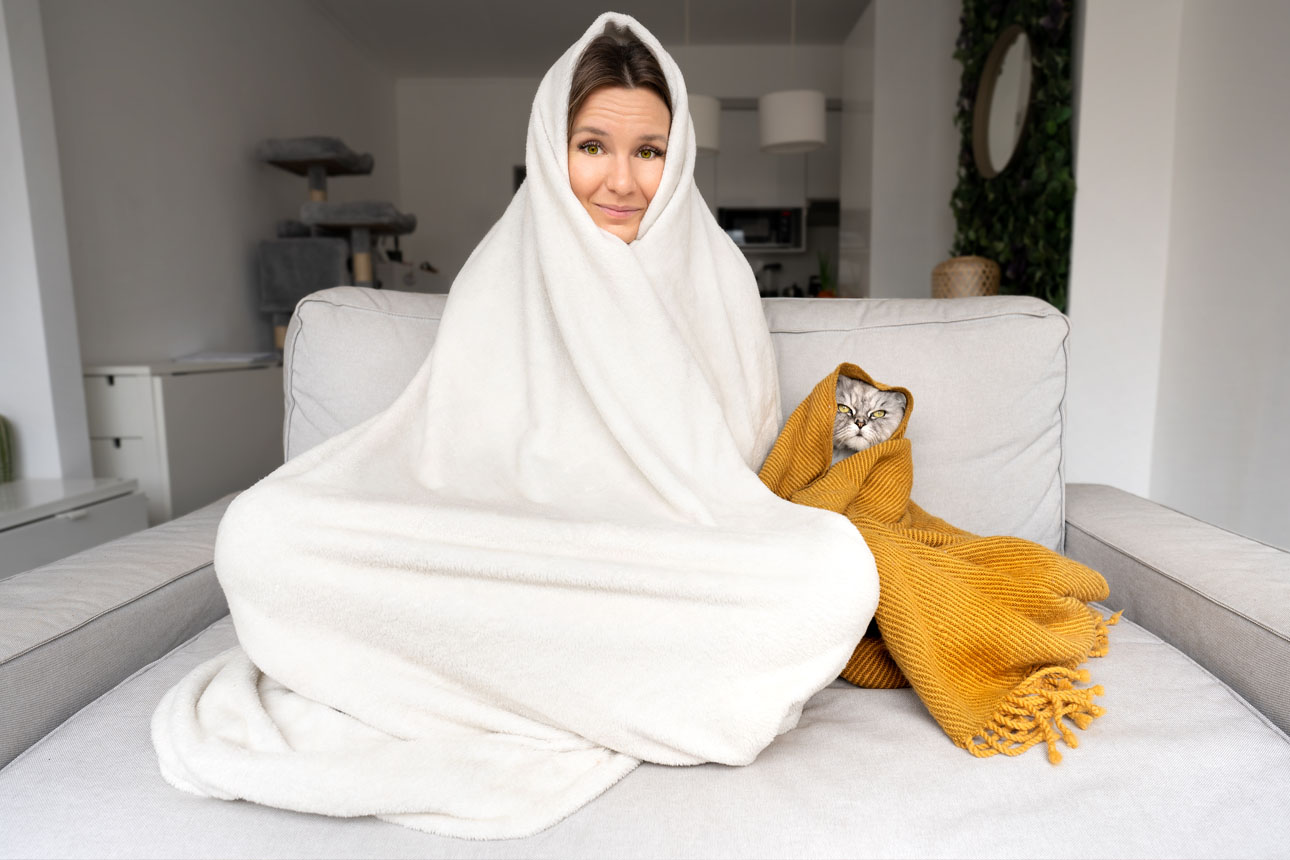
It's 6 AM, your alarm goes off, and the house feels noticeably colder than it should. You check the thermostat — it's set to 68°F, but the display reads 58°F. The furnace isn't running. In Greater Binghamton, where February mornings regularly start in the single digits or below zero, a furnace that won't turn on isn't an inconvenience. It's an emergency.
Before you panic — and before the house gets dangerously cold — there are a few things you can safely check yourself. Some furnace issues have surprisingly simple causes that don't require a service call at all. Others, however, absolutely do. With nearly two decades serving Southern Tier homeowners, Action Plumbing, Heating, and Cooling has responded to thousands of no-heat calls, and we've seen the full range — from a flipped breaker to a furnace that's reached the end of the road. Here's how to figure out which situation you're in.
Step 1: Check Your Thermostat
This sounds obvious, but it's the most common fix. Start with the basics. Is the thermostat set to "Heat" mode? Is the temperature set above the current room temperature? Is the fan set to "Auto" rather than "Off"? If your thermostat runs on batteries, dead batteries can shut the whole system down — and the display may look normal even as the batteries are failing. Swap them out and see if the furnace kicks on.
If you have a programmable or smart thermostat, check whether a schedule or energy-saving mode lowered the set temperature overnight. It's also worth checking that no one in the household accidentally bumped the settings. These simple checks resolve the problem more often than you'd expect.
Step 2: Check the Circuit Breaker and Power Switch
Your furnace has its own circuit breaker in your electrical panel. If it's tripped, the furnace has no power and won't start. Go to your breaker box and look for the breaker labeled "Furnace" or "HVAC." If it's in the middle position or flipped to "Off," flip it fully off, then back on. Give the furnace a minute or two to restart.
Most furnaces also have a dedicated power switch that looks like a standard light switch, usually located on or near the furnace itself. It's not uncommon for someone to accidentally flip this off — especially during laundry, cleaning, or storage activities in the basement or utility area. Make sure it's in the "On" position.
Important: If the breaker trips again immediately after you reset it, do not keep resetting it. A breaker that won't stay on indicates an electrical problem that requires professional attention. Continuing to reset it can create a fire hazard.
Step 3: Check the Air Filter
A severely clogged air filter can cause your furnace to overheat and shut down as a safety precaution. This is one of the most common reasons furnaces stop working in the middle of winter. When the filter is blocked, airflow is restricted, and the heat exchanger gets too hot. The furnace's limit switch trips and shuts the system down to prevent damage.
Pull out your air filter and hold it up to the light. If you can't see through it, it's overdue for a change. Replace it with a new filter of the same size and let the furnace cool down for about 30 minutes before trying to restart it. Going forward, check your filter monthly during the heating season. Southern Tier winters are long, and a filter that was fresh in October can be completely clogged by January.
This is also a good reminder of why annual furnace maintenance matters. During a professional furnace tune-up, our technicians check the filter, clean components, and identify potential problems before they leave you without heat on the coldest night of the year.
Step 4: Check the Gas Supply
If your home runs on natural gas, verify that the gas supply to the furnace is turned on. The gas valve is typically located near the furnace on the gas supply line — it should be parallel to the pipe when open. If it's perpendicular (turned 90 degrees), the gas is off.
Also check whether other gas appliances in your home are working. If your stove, water heater, and furnace have all stopped, the issue may be with your gas supply from NYSEG rather than with the furnace itself. Contact your utility provider if you suspect a supply interruption.
Safety warning: If you smell gas anywhere near your furnace or in your home, do not flip any switches, light any flames, or attempt any troubleshooting. Leave the house immediately, move to a safe distance, and call your gas utility's emergency line or 911.
Step 5: Look at the Furnace Error Codes
Most modern furnaces have a small LED light visible through a window on the front panel. This light blinks in specific patterns that correspond to diagnostic error codes. Your furnace manual — or a label often printed on the inside of the furnace's access panel — will tell you what each blinking pattern means.
Common codes indicate issues like ignition failure, flame sensor malfunction, pressure switch errors, or high-temperature limit trips. While some of these point to problems you can address (like the clogged filter we just discussed), most error codes indicate an issue that needs professional diagnosis. Write down the blinking pattern or take a short video on your phone — this information is extremely helpful when you call for service and can help our technicians arrive prepared with the right parts.
When to Call Action Plumbing, Heating, and Cooling
If you've worked through the steps above and your furnace still won't turn on, it's time to call a professional. The same applies if you encounter any of these situations:
- The circuit breaker trips repeatedly after being reset
- You smell gas or burning electrical odors near the furnace
- The furnace starts but shuts off after a few seconds (short cycling)
- The blower runs but no warm air comes out
- You see error codes on the diagnostic display that indicate ignition, flame sensor, or pressure switch failures
- Your furnace is more than 15 years old and hasn't been serviced recently
These symptoms can point to a range of issues — a failed igniter, a cracked heat exchanger, a malfunctioning control board, or a gas valve problem — all of which require trained technicians with proper diagnostic tools. Our NATE Certified team at Action Plumbing has the experience to quickly diagnose the issue and get your heat back on. We offer 24/7 emergency service because we know that a no-heat call in Binghamton can't wait until Monday morning.
Keeping Your Family Safe While You Wait
If you're waiting for a furnace repair appointment and the house is getting cold, there are a few safe steps to keep your family comfortable. Close off rooms you aren't using to concentrate warmth in a smaller area. Layer blankets and warm clothing. If you have a working fireplace or wood stove, use it. Portable electric space heaters can help temporarily, but keep them away from curtains, furniture, and bedding, and never leave them unattended or running overnight.
Also, keep an eye on your pipes. When indoor temperatures drop significantly, frozen pipes become a real risk — especially in exterior walls and unheated areas. Open cabinet doors under sinks on exterior walls to let warmer air circulate around the pipes, and let faucets drip slightly to keep water moving.
Don't Wait Until You're Freezing
The best time to deal with furnace problems is before they leave you without heat. If your system has been making unusual noises, cycling more frequently than normal, or struggling to maintain temperature, those are warning signs that a breakdown may be coming. A professional inspection can catch failing components before they fail completely.
Action Plumbing, Heating, and Cooling has been keeping Greater Binghamton homes warm since 2006. Whether you need an emergency furnace repair, a seasonal tune-up, or it's time to talk about a new furnace installation, our team is ready to help. We serve homeowners across Binghamton, Johnson City, Endwell, and throughout the Southern Tier.
Call us today at (607) 205-1177 or request an estimate online. When your furnace won't start, you need a team that answers the phone — even at 2 AM in February.