Well Running Low in August? Why Southern Tier Wells Struggle at the End of Summer
LouAnn Sheldon August 2, 2026 6 min read
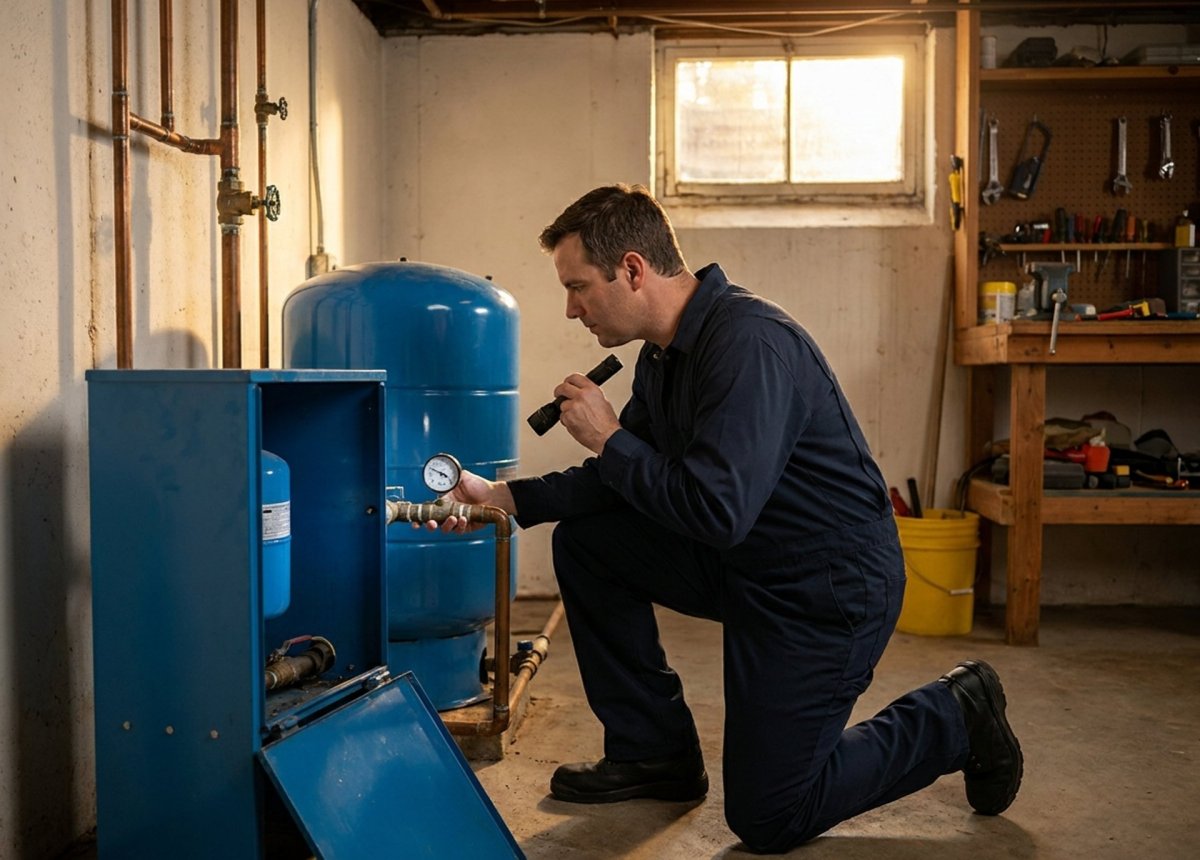
If you have noticed your faucets sputtering, your shower pressure dropping mid-rinse, or your well pump kicking on more often than it used to, you are not imagining it. Late summer is when private wells across the Southern Tier feel the most strain, and for families in Maine, Whitney Point, and other rural pockets outside Binghamton, a weak well can throw off everything from morning routines to laundry day.
At Action Plumbing, Heating, and Cooling, we have been helping Southern Tier homeowners troubleshoot well pump problems since 2006. Whether the issue is a genuinely dry well or a pump that is finally showing its age, our technicians can tell the difference quickly and walk you through your options without pressuring you into a replacement you do not need.
Why Well Water Tables Drop by Late Summer
By August, most of the Southern Tier has gone weeks without the steady spring rains that recharge groundwater. Lawns need watering, gardens need extra attention, and pools need topping off, all of which pull more water out of the ground at exactly the time the water table is at its lowest point of the year. For a well that was already borderline in spring, this seasonal dip is often when problems first show up.
This does not automatically mean your well is failing. Sometimes a temporarily low water table is simply catching up with a pump that has been running fine for years. The trick is figuring out whether you are dealing with a seasonal dip or a pump that needs professional attention.
Signs Your Well Pump Is Struggling, Not Just the Water Table
A handful of symptoms point more toward equipment trouble than a temporary dry spell:
- Water pressure that sputters or surges instead of dropping off evenly
- A pressure tank or pump that cycles on and off rapidly, even during light use
- Rusty or gritty water coming from multiple fixtures at once
- A well pump that seems to run constantly without ever fully satisfying demand
- A noticeable jump in your electric bill tied to a pump working harder than it should
We install and service Franklin submersible well pumps, which are built to handle the fluctuating demands of Southern Tier wells through dry stretches and heavy use alike. If your current pump is straining to keep up, a technician can inspect it on-site and tell you whether a repair will get you through the season or whether it is time to talk replacement.
Constant Pressure vs. Traditional Well Pumps: Which Handles Low Water Better
Homeowners dealing with recurring late-summer pressure drops often ask whether a constant pressure well pump would solve the problem for good. Unlike traditional pumps that cycle on and off as pressure fluctuates, constant pressure systems adjust their output automatically, which can smooth out the sputtering and surging that shows up when a well is working harder than usual. We pair these systems with reliable Amtrol pressure tanks to keep the whole setup balanced.
If your pump is nearing the end of its expected service life, it is worth reading our guide on well pump lifespans and when to consider an upgrade before deciding between a repair and a full replacement.
When to Call a Professional
Some situations should not wait for a slow news day. Call a licensed plumber right away if you notice any of the following:
- Complete loss of water pressure at every fixture in the house
- Water that has turned consistently rusty, cloudy, or gritty
- A pump that runs nonstop without the pressure tank ever cutting it off
- Strange grinding or humming noises coming from the well equipment
These are not do-it-yourself fixes. A submersible well pump sits far below ground, and diagnosing it correctly requires the right equipment and experience. Our team can also test your water while we are there. If you have been noticing an odd taste or smell along with your pressure issues, our water treatment guide for Southern Tier homes covers what those signs usually mean.
Protecting Your Well Through the Rest of Summer
If your well is holding steady for now, a few habits can help it get through the driest weeks of the year. Spread out heavy water use like laundry and lawn watering rather than running everything at once. Keep an eye on your pressure gauge if you have one, and do not ignore small pressure changes, since they are often the earliest warning sign of a bigger issue. Homeowners dealing with basement moisture on top of well concerns may also want to review our sump pump warning signs, since the two systems sometimes point to related groundwater issues. If your water heater relies on the same well supply and has been acting up too, our guide on water heater replacement signs is worth a look as well.
We regularly service well systems for families in Maine, NY and Whitney Point, NY, where private wells are the norm rather than the exception, and our technicians know the local well depths and water conditions well.
Frequently Asked Questions About Well Pump Repair in the Southern Tier
A weak well in August does not have to mean a stressful, expensive surprise. Whether your system needs a simple adjustment or a full pump replacement, our NATE certified technicians will give you an honest assessment and fair pricing, backed by nearly two decades of experience with Southern Tier wells. Call Action Plumbing, Heating, and Cooling today at (607) 205-1177 or request an estimate online, and let us help you get steady water pressure back before the season changes.