Does Your Water Smell, Taste, or Look Off? A Homeowner's Guide to Water Treatment Solutions in the Southern Tier
LouAnn Sheldon June 14, 2026 8 min read
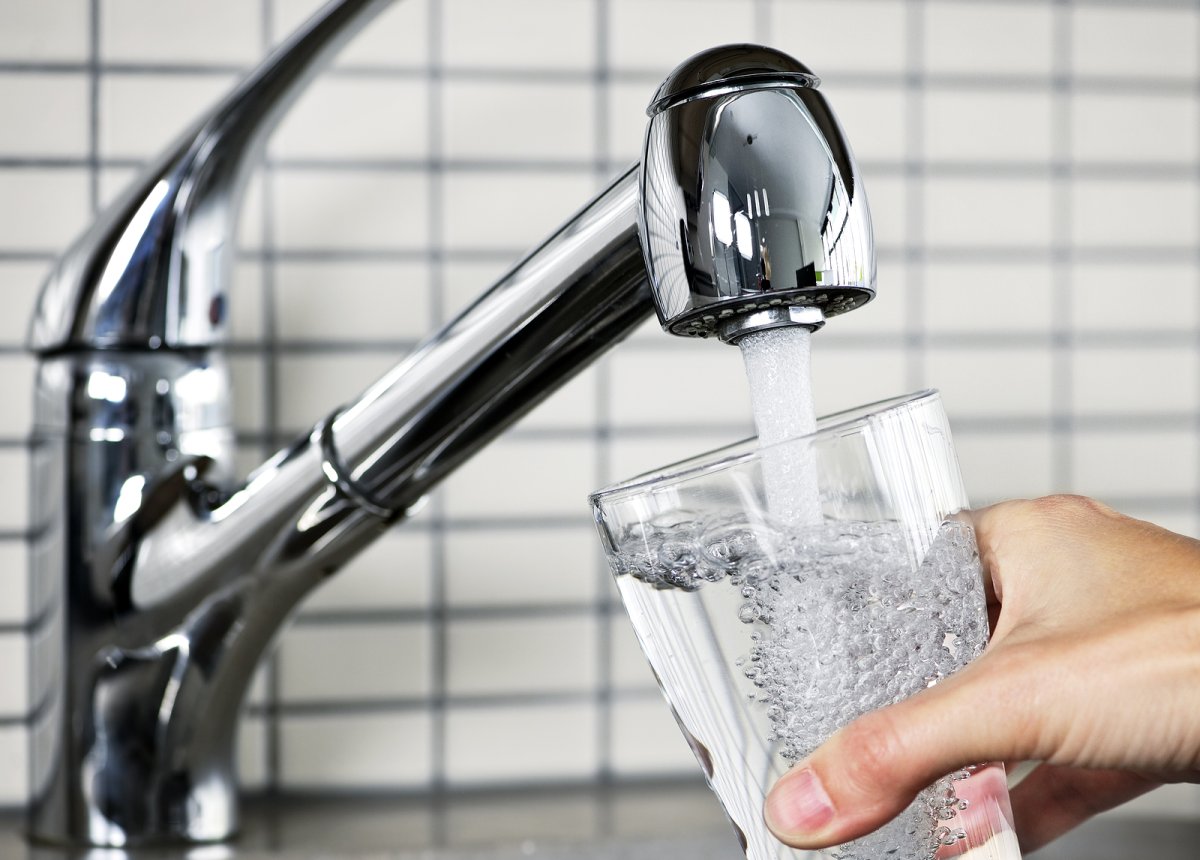
You turn on the kitchen tap and fill a glass of water. It looks fine—maybe—but something about the taste makes you reach for a bottle instead. Or maybe you’ve noticed a faint sulfur smell, a yellowish tint, or a chalky film on your dishes and faucets. These aren’t just nuisances. They’re your water telling you something. And in the Southern Tier, where homes range from city-supplied municipal water to private wells, the answer isn’t always the same.
At Action Plumbing, Heating, and Cooling, we’ve been serving Greater Binghamton homeowners since 2006. Water quality concerns come up regularly, whether it’s a homeowner on a private well near Conklin or a family in Vestal who just moved into an older home and noticed their water tastes different than it did at their last house. This guide breaks down the most common water problems in our region and the treatment options that actually work.
What’s Actually in Your Southern Tier Water?
If you’re on municipal water from the Binghamton area, your water is treated and tested—but treatment doesn’t mean perfect, and it definitely doesn’t account for what happens after water leaves the treatment plant and travels through aging pipes to your home. Older homes throughout Broome County can have galvanized or even lead service lines that affect water quality at the tap. Our earlier post on what’s really in your tap water covers the basics of what municipal treatment does and doesn’t address.
If you’re on a private well, the situation is different. Well water in our region commonly contains elevated levels of iron, manganese, hardness minerals (calcium and magnesium), and occasionally hydrogen sulfide (the source of that rotten egg smell). None of these are necessarily dangerous, but they can damage your plumbing over time and make your water genuinely unpleasant to use. The impact of hard water on Southern Tier plumbing is something we’ve written about in depth—the short version is that mineral buildup shortens the life of everything from your water heater to your faucets.
Common Water Problems and What Causes Them
Most water quality complaints fall into a handful of recognizable categories. Here’s how to match what you’re experiencing to a likely cause:
- Rotten egg or sulfur smell — almost always hydrogen sulfide, common in well water; a shock chlorination or sulfur filter typically resolves it
- Chalky buildup on fixtures and dishes — hard water (high calcium and magnesium); a water softener is the standard solution
- Orange or rust-colored staining — iron in the water supply; an iron filter or water softener rated for iron removal is needed
- Cloudy or milky appearance — often dissolved air (harmless and temporary) or, less commonly, sediment or bacterial contamination
- Chlorine taste or smell — typical of municipal water; a carbon filter at the point of use or whole-home removes it effectively
- Metallic taste — can indicate elevated iron, manganese, or—in older homes—copper or lead from aging pipes; worth a water test
Water Treatment Options Explained
The right solution depends on what’s actually in your water, which is why a water test is always the best starting point before investing in treatment equipment. Once you know what you’re dealing with, here are the most common and effective options:
Water Softeners are the most common solution for hard water in Southern Tier homes. A softener uses an ion-exchange process to replace calcium and magnesium ions with sodium, eliminating scale buildup in pipes, water heaters, and appliances. Soft water also makes soap and detergent more effective, which means you use less. If you’ve noticed your water heater isn’t performing as efficiently as it used to, scale buildup from hard water is one of the most common culprits.
Whole-Home Carbon Filtration is effective for removing chlorine taste and odor, VOCs, and many organic compounds from municipal water. These systems install at the point of entry to your home and treat all water before it reaches any fixture. They’re a popular upgrade in older Binghamton homes where the municipal supply has a noticeable taste or smell.
Iron Filters address the orange staining and metallic taste caused by iron in well water. Depending on iron concentration and type (dissolved vs. particulate), the right solution may be an oxidizing filter, an air injection system, or a water softener with iron-rated resin. A water test tells us which approach fits your situation.
Reverse Osmosis (RO) Systems provide the highest level of filtration at a specific tap—usually the kitchen sink—and are the right choice when the concern is drinking and cooking water quality. RO systems remove dissolved solids, nitrates, lead, and a wide range of contaminants that other filtration methods don’t touch.
Don’t Forget What Poor Water Quality Does to Your Plumbing
Water quality isn’t just about taste and smell—it directly affects the lifespan of your plumbing system and appliances. Hard water deposits accumulate inside supply pipes, gradually reducing flow and increasing pressure on fittings. The same scale that builds up on your showerhead is building up inside your pipes and inside your water heater tank. Iron in well water can stain fixtures permanently and eventually foul water softener resin if the iron levels aren’t addressed upstream. A pipe leak in a home with chronically corrosive water is more likely—and more damaging—than in a home with treated water.
Investing in water treatment isn’t just about comfort. It’s a form of home maintenance that protects your fixtures, appliances, and plumbing infrastructure over the long term.
Common Questions About Water Treatment in the Southern Tier
Clean, Quality Water Starts with the Right Solution for Your Home
You shouldn’t have to think twice about the water coming out of your taps. Whether you’re dealing with hard water buildup, iron staining, an unpleasant taste, or concerns about what’s actually in your supply, the team at Action Plumbing, Heating, and Cooling can help you find the right solution. We serve homeowners throughout Binghamton, Endicott, Vestal, Conklin, and communities across Broome County and the broader Southern Tier—and we’ve seen the full range of water quality situations this region presents.
Call us at (607) 205-1177 or request a free estimate online to discuss your water quality concerns. We’ll start with honest answers and give you options that fit your home and your budget.