Hard Water in the Southern Tier: What It Does to Your Plumbing and How to Fix It
LouAnn Sheldon April 14, 2026 8 min read
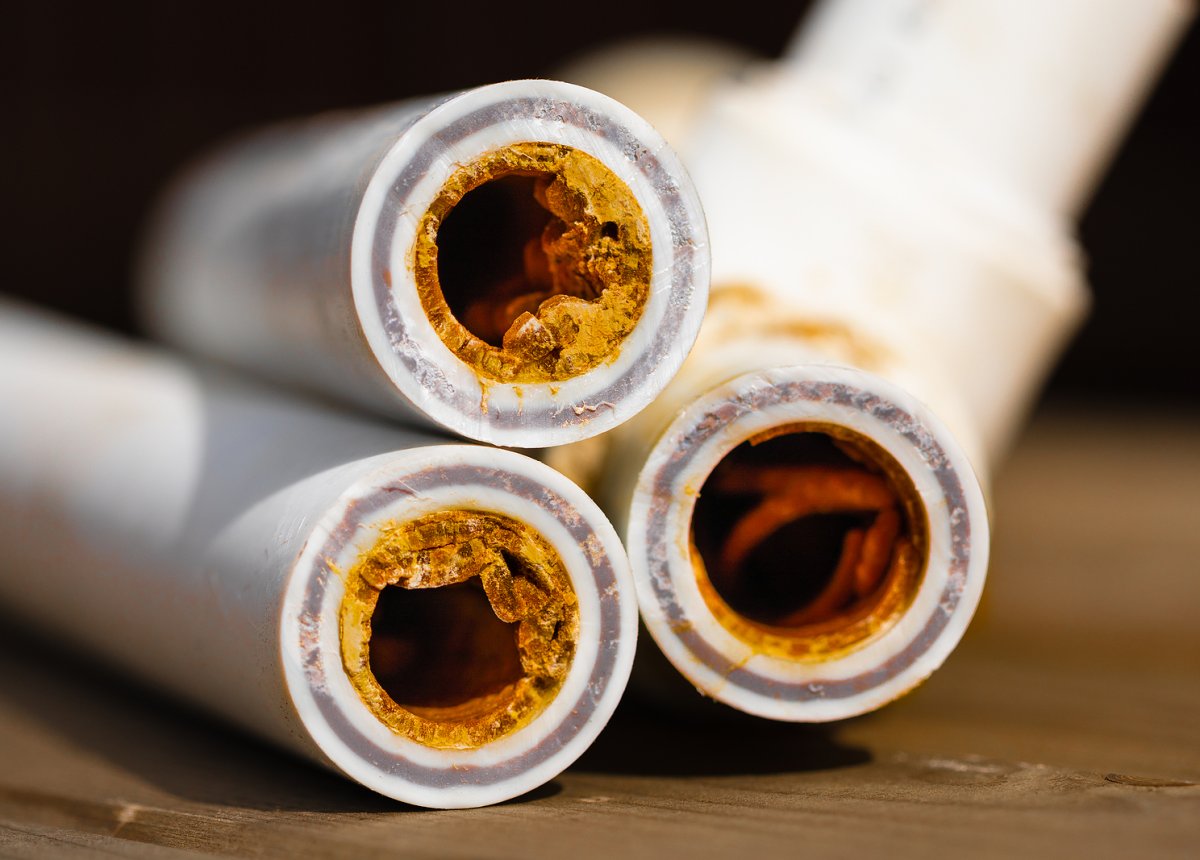
If you’ve noticed white, chalky buildup around your faucets, showerheads that seem to lose pressure over time, or a water heater that doesn’t seem as efficient as it used to be, there’s a good chance hard water is playing a role. Hard water is common throughout Upstate New York, and for homeowners in the Southern Tier — particularly those on private well water — it’s one of those slow, quiet problems that does real damage before most people realize it’s happening.
At Action Plumbing, Heating, and Cooling, we’ve seen firsthand how untreated hard water affects plumbing systems in Binghamton-area homes. The good news: it’s a solvable problem. Here’s what you need to know.
What Is Hard Water, and Why Is It Common Here?
Water picks up minerals — primarily calcium and magnesium — as it moves through rock and soil. The more minerals it absorbs, the “harder” the water. In much of the Southern Tier, the underlying geology produces moderately to highly hard water, especially from wells that draw from limestone-rich aquifers. Municipal water supplies are often treated, but hardness levels can still vary significantly depending on where you live.
Hard water isn’t a health hazard — those minerals are generally harmless to drink. But over time, they deposit scale inside pipes, water heaters, and appliances. That scale buildup is where the real problems start.
How Hard Water Damages Your Plumbing System
Scale buildup from hard water is cumulative. It starts as a thin film inside your pipes and on your fixtures, and it grows year over year if nothing is done about it. Here’s what that means in practical terms for your home:
- Reduced pipe diameter: In severe cases, scale buildup inside pipes narrows the water flow path, reducing pressure throughout the house and eventually contributing to blockages. This is most common in older galvanized steel pipes, which are still present in many of the 1960s–1980s homes we service.
- Water heater efficiency loss: Scale insulates the heating element in your water heater, forcing it to work harder and longer to heat the same amount of water. A scaled-up water heater uses significantly more energy and wears out sooner. If you’ve been wondering about signs your water heater needs replacement, scale buildup is one of the contributing factors.
- Shortened appliance lifespan: Dishwashers, washing machines, and coffee makers that run on hard water accumulate scale in their heating elements and spray arms, reducing efficiency and lifespan.
- Fixture and faucet damage: The white, chalky deposits you see on faucets and showerheads aren’t just cosmetic — they eventually affect the internal seals and valves. Our faucet and sink repair service frequently involves fixtures damaged or degraded by long-term mineral deposits.
Signs Your Home May Have a Hard Water Problem
Hard water makes itself known in several ways around the house. The most common signs our customers describe include:
- White or yellowish scale buildup on faucets, showerheads, and around drain openings
- Soap that doesn’t lather well, or a filmy residue on skin after showering
- Spots on dishes and glassware after running the dishwasher
- Stiff, scratchy laundry that doesn’t soften well even with fabric softener
- Reduced water pressure from showerheads or faucets that were fine a year or two ago
- A water heater that runs longer cycles or doesn’t keep up with demand the way it used to
If several of these sound familiar, a water hardness test is a logical first step. Our team can test your water and explain exactly what you’re dealing with.
Water Treatment Solutions for Southern Tier Homes
The most effective long-term solution for hard water is a whole-home water softener. A softener uses an ion exchange process to remove the calcium and magnesium ions from your water supply before it enters your pipes, protecting everything downstream. For well water users, we often pair softener systems with a broader water treatment solution that may also address iron, pH balance, or other water quality concerns specific to your well.
For homeowners on well water, it’s also worth noting that your well pump plays an important role in your overall water system. If you’ve had hard water issues for years and you’re noticing pressure problems, it’s worthwhile to have your well pump inspected as part of the overall assessment. Scale and sediment can affect pump performance over time as well.
For homes that already have significant scale buildup inside pipes, descaling treatments or, in more serious cases, pipe replacement may be worth discussing. Our team will give you an honest picture of what’s going on and what options make the most sense for your situation and budget.
When to Call a Professional
Hard water is a background issue that’s easy to ignore — right up until it causes a real problem. We recommend calling a plumber for a water quality evaluation if:
- You’ve noticed visible scale buildup and haven’t had your water tested
- You’re on private well water and don’t have any treatment system in place
- Your water heater is losing efficiency or running longer than it used to
- You’re experiencing a noticeable drop in water pressure
- You’re planning a bathroom or kitchen remodel and want to protect new fixtures
Treating hard water before it does damage is always less expensive than repairing or replacing what it damages. And for homeowners thinking about a tankless water heater installation, water softening is especially important — tankless units are more sensitive to scale buildup than traditional tank heaters.
Have questions about your water quality or want to schedule a water test? Call Action Plumbing, Heating, and Cooling at (607) 205-1177 or request a free estimate online. We serve homeowners throughout Greater Binghamton and the Southern Tier, and we’ll give you a straight answer about what your water needs.
Frequently Asked Questions About Hard Water in the Southern Tier
Hard water is a common challenge in our region, but it doesn’t have to shorten the life of your plumbing, water heater, or appliances. Action Plumbing, Heating, and Cooling has been helping Southern Tier homeowners protect their homes since 2006. Call us at (607) 205-1177 or request a free estimate to get started.