What's Really in Your Tap Water? A Homeowner's Guide to Water Quality and Treatment Options
LouAnn Sheldon May 19, 2026 9 min read
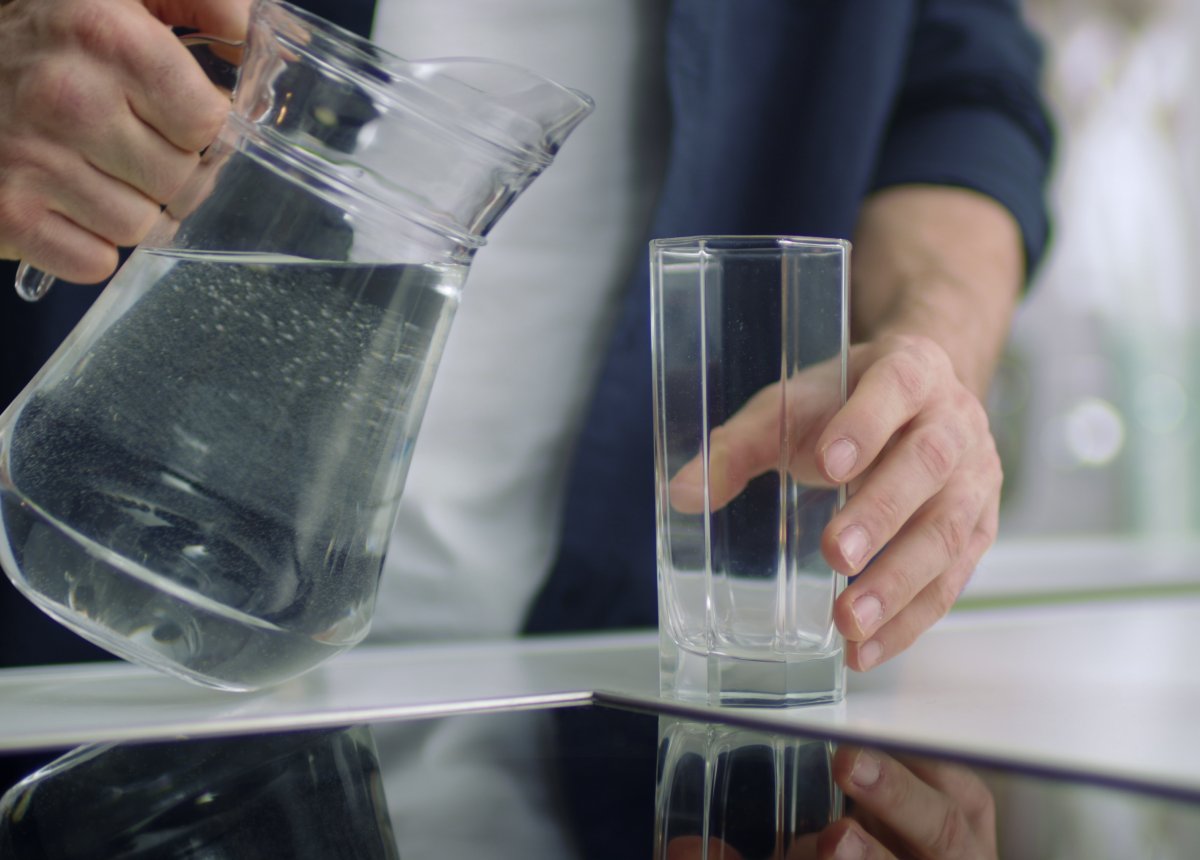
Most homeowners don’t think much about their water quality until something forces the issue — a strange taste or odor, white mineral deposits building up on faucets and fixtures, skin that feels dry after showering, or a nagging concern after hearing about water quality issues in a neighboring community. At that point, the questions come fast: Is my water safe? Is it damaging my plumbing? What can I actually do about it?
Whether your home is on a municipal water supply or draws from a private well, water quality varies significantly across the Southern Tier region — and the right treatment approach depends entirely on what’s actually in your water. At Action Plumbing, Heating, and Cooling, we’ve helped homeowners throughout Greater Binghamton and the surrounding communities address everything from hard water to iron contamination. This guide walks through the most common water quality issues, how to identify them, and what your options are for addressing them.
The Most Common Water Quality Problems Homeowners Face
Water quality issues tend to fall into a handful of categories. Some affect taste and odor, some create visible buildup, some cause gradual damage to plumbing and appliances, and some raise genuine health concerns. Understanding which category your issue falls into helps determine the urgency and the right solution.
Hard water is by far the most common issue in the region. Hard water contains elevated levels of dissolved calcium and magnesium — minerals that are generally not a health concern but that cause significant practical problems over time. If you’ve noticed white, chalky deposits around faucets and showerheads, soap that doesn’t lather well, dishes with spots after washing, or laundry that feels stiff, hard water is almost certainly the culprit. Our post on what hard water does to your plumbing goes into significant detail on the long-term damage hard water causes to pipes, water heaters, and fixtures — it’s worth a read if you’ve been noticing these signs.
Iron and manganese are common in well water throughout Upstate New York. Iron causes orange or rust-colored staining on sinks, tubs, and laundry, and gives water a metallic taste. Manganese produces dark brown or black staining and can affect water clarity. Both are treatable, but the right approach depends on the form the iron or manganese takes in your water — which is why testing before treatment is important.
Bacteria and coliform contamination is a concern primarily for homes on private wells. Unlike municipal water systems, private wells are not regularly tested or treated. Contamination can enter a well through surface water infiltration, nearby septic system issues, or cracks in the well casing — and is often not detectable by taste or smell alone. Annual bacterial testing is recommended for all private well owners.
Sediment and turbidity refers to visible particles in the water — sand, silt, or rust flakes from aging pipes. This is more of a nuisance issue but can accelerate wear on appliances, clog aerators, and indicate underlying problems with the well or plumbing.
How to Know What’s Actually in Your Water
The only reliable way to know what’s in your water is to test it. For homes on municipal supply, your water utility is required to publish annual water quality reports — you can usually find these on your utility’s website. NYSEG and other local utilities can also point you toward resources for understanding your water supply. However, municipal reports cover the water at the treatment plant — not necessarily what comes out of your tap after traveling through distribution lines and your home’s internal plumbing.
For private well owners, independent testing is essential. The New York State Department of Health recommends annual testing for bacteria and nitrates at minimum, with additional testing for iron, manganese, hardness, pH, and other parameters based on your area’s geology and land use. Certified water testing labs throughout the Southern Tier can process samples, and our team can help you interpret results and identify appropriate treatment options. If you’ve recently had well pump work done or are buying a home with a private well, a comprehensive water test is a smart first step.
Water Treatment Options: Matching the Solution to the Problem
There’s no one-size-fits-all water treatment solution, which is why testing before purchasing any equipment matters. That said, there are several well-proven systems that address the most common issues homeowners in our region face.
Water softeners are the standard solution for hard water. They use an ion exchange process to replace calcium and magnesium ions with sodium, eliminating scale buildup, extending the life of water heaters and appliances, and improving soap lathering. A properly sized water softener can meaningfully extend the life of your water heater and reduce the frequency of fixture replacement. If your home also has a tankless water heater, a softener is particularly important — hard water scale buildup in a tankless unit’s heat exchanger is one of the leading causes of premature failure.
Iron filtration systems address iron and manganese in well water. The appropriate system type — whether an oxidizing filter, a greensand filter, or an air injection system — depends on the form and concentration of iron in your water, which is why testing first matters. A system matched to your specific water chemistry will perform far better than a generic solution.
Sediment filters are whole-house filtration systems that remove particles above a certain micron size before water enters your home’s plumbing. They protect appliances, prevent clogged aerators, and are often used as a prefilter before other treatment equipment.
UV purification systems use ultraviolet light to neutralize bacteria, viruses, and other microorganisms without adding chemicals to the water. They’re commonly used as a final treatment stage in well water systems where bacterial contamination is a concern.
Reverse osmosis systems provide the highest level of filtration, removing a broad range of contaminants including nitrates, heavy metals, and many chemical compounds. They’re typically installed at the kitchen sink as a point-of-use system for drinking and cooking water.
What Untreated Water Quality Problems Cost You Over Time
It’s easy to put off addressing water quality issues that seem like inconveniences rather than emergencies. But the costs of untreated hard water and iron contamination accumulate in ways that aren’t always obvious until damage is already done. Hard water scale builds up inside water heater tanks, reducing efficiency and eventually causing premature failure — a replacement that costs far more than a softener would have. It accumulates in pipes, gradually narrowing the flow path and increasing pressure throughout the system. It destroys fixture washers and valve seats, leading to more frequent faucet and sink repairs.
Iron staining is cosmetically damaging to tubs, sinks, and toilets — stains that often require harsh chemicals to remove and eventually become permanent. And untreated bacterial contamination in well water carries genuine health risks that no amount of deferred maintenance justifies.
When to Call a Professional
If you’ve noticed any of the signs described in this post — scale buildup, staining, unusual taste or odor, or visible sediment — the right first step is testing, not guessing. Our team can discuss what testing approach makes sense for your situation and help you understand what treatment options are available based on your results. We can also evaluate whether any existing water quality issues have already affected your plumbing, fixtures, or appliances.
Action Plumbing, Heating, and Cooling has been serving homeowners throughout Greater Binghamton and the Southern Tier since 2006. Call us today at (607) 205-1177 or request an estimate online. You can also learn more about our full range of plumbing services on our website.
Frequently Asked Questions About Home Water Quality
Concerned about your home’s water quality? Action Plumbing, Heating, and Cooling is here to help. Call us at (607) 205-1177 or request a consultation online. We serve homeowners throughout Greater Binghamton and the Southern Tier with honest assessments and solutions that actually fit your situation.