Galvanized, Copper, or PEX: What's Actually Behind the Walls of Your Older Southern Tier Home
LouAnn Sheldon August 21, 2026 5 min read
If your home was built between the 1960s and 1980s, which describes a large share of houses across Binghamton, Endicott, and the surrounding Southern Tier, there is a good chance you have never actually seen the pipes carrying water through your walls. Most homeowners only think about their supply lines when something goes wrong, like rust colored water, weak pressure at every fixture, or a leak that seems to come from nowhere. Often, the real explanation is not a single broken pipe, it is the material behind the walls reaching the end of its useful life.
Action Plumbing, Heating, and Cooling has worked inside older Southern Tier homes since 2006, and repiping questions come up more than most homeowners expect. Understanding what kind of pipe you actually have is the first step toward knowing whether you are looking at a simple repair or a bigger, one-time investment that solves the problem for good.
Galvanized Steel: The Most Common Culprit in Older Homes
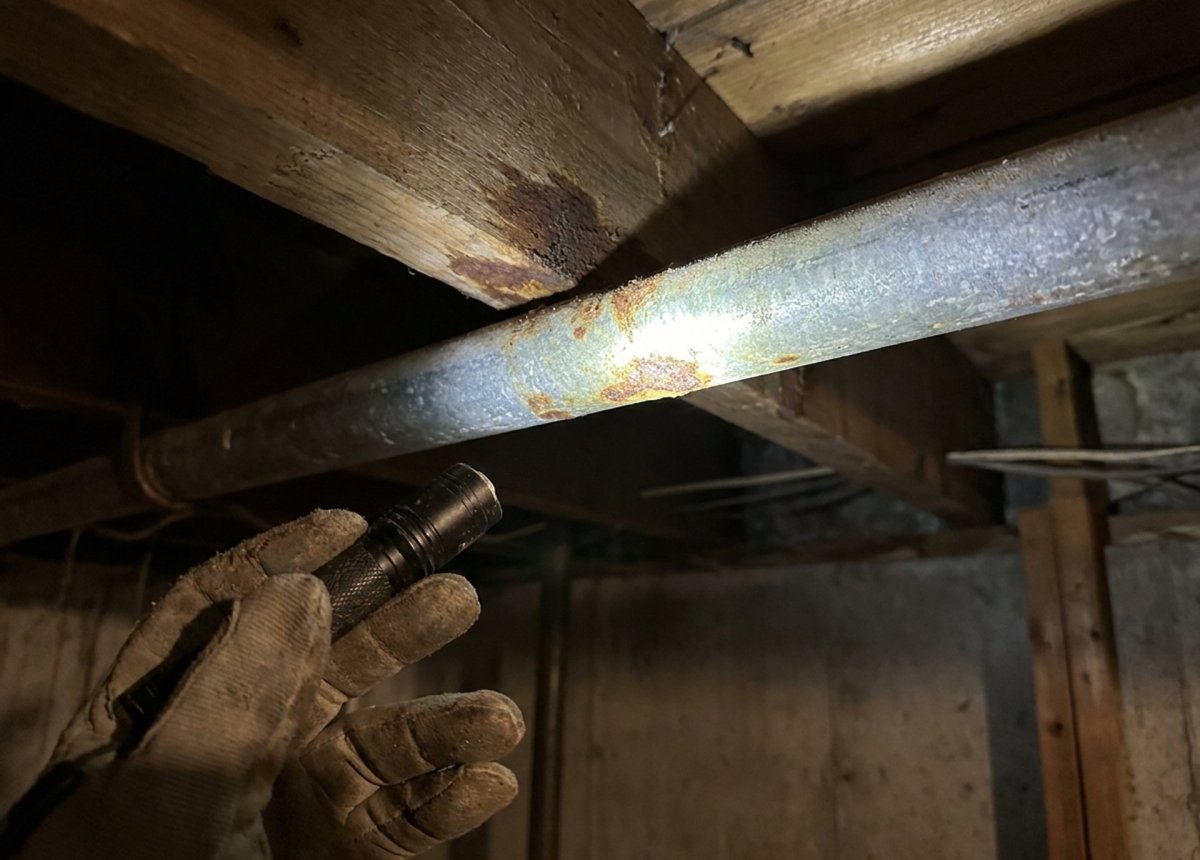
Homes built before the 1980s were frequently plumbed with galvanized steel pipe. On the inside, these pipes are lined with a zinc coating meant to prevent rust, but that coating breaks down over decades of use. Once it does, rust builds up inside the pipe, narrowing the interior diameter and giving water a metallic taste or reddish tint. This is a slow, gradual process, which is why many homeowners notice weakening pressure for years before connecting it to the pipes themselves rather than the water heater or the fixtures.
If your water has taken on a rust colored tint or a metallic smell, our guide on hard water damage in the Southern Tier explains how mineral buildup and aging pipe often show up together and compound each other.
Copper: A Step Up, But Not Immune to Age
Many homes updated between the 1980s and early 2000s replaced galvanized pipe with copper, which resists corrosion far better and typically lasts 50 years or longer. Copper is not indestructible, though. Acidic water, certain soil conditions around underground lines, and simple age can eventually lead to pinhole leaks, often showing up first as a damp spot on a wall or ceiling that seems to come out of nowhere.
Small, hidden leaks like these are exactly what our post on 6 warning signs of hidden water leaks is designed to help you catch early, before they turn into a bigger repair or water damage claim.
PEX: What Most New Installations Use Today
When we repipe a home, we typically recommend PEX, a flexible plastic tubing that resists corrosion entirely, handles freezing better than rigid copper, and requires fewer joints, which means fewer potential leak points throughout the house. It is faster to install than copper as well, which usually means less disruption to your home and your routine during a repipe.
Signs It Might Be Time to Talk About Repiping
- Rust colored or metallic tasting water at multiple fixtures
- Water pressure that has weakened gradually over several years
- Frequent pinhole leaks or repeated pipe repairs in different spots
- Visible corrosion or discoloration on pipes in the basement or crawlspace
- A home built before 1980 that has never had its supply lines updated
One or two of these on their own do not necessarily mean a full repipe is needed. But if several apply at once, especially in an older home, it is worth having a plumber assess the full system rather than continuing to patch individual leaks. Our overview of common plumbing noises and quirks you shouldn't ignore is another good resource if strange sounds have been part of the picture too.
When to Call a Professional
Repiping is not a project to take on room by room without a plan. A professional assessment can determine whether you are dealing with galvanized, copper, or a mix of both, and whether a full repipe makes more sense than continuing to chase individual repairs. If you are already planning other work, our guide on plumbing upgrades that add value to your Endicott home covers how repiping fits into a broader home improvement plan. Homes with aging supply lines also tend to develop related issues over time, so our pipe leak repair page and water line installation page are worth reviewing if you are weighing a targeted fix against a full repipe. Older galvanized lines are also more prone to bursting during a hard freeze, which our frozen pipe guide covers in more detail.
We handle repiping projects throughout the region, including for homeowners in Endicott, NY, and you can reach our team anytime through our contact page.
Frequently Asked Questions About Repiping Older Homes
If your older Southern Tier home has been dealing with rusty water, weakening pressure, or one too many pinhole leaks, it may be time to find out what is really behind the walls. Call Action Plumbing, Heating, and Cooling at (607) 205-1177 or request a repiping estimate, and our team will give you a clear, honest assessment before recommending any work.