Toilet Running, Faucet Dripping, Drain Gurgling: Plumbing Noises and Quirks You Shouldn't Ignore
LouAnn Sheldon May 27, 2026 11 min read
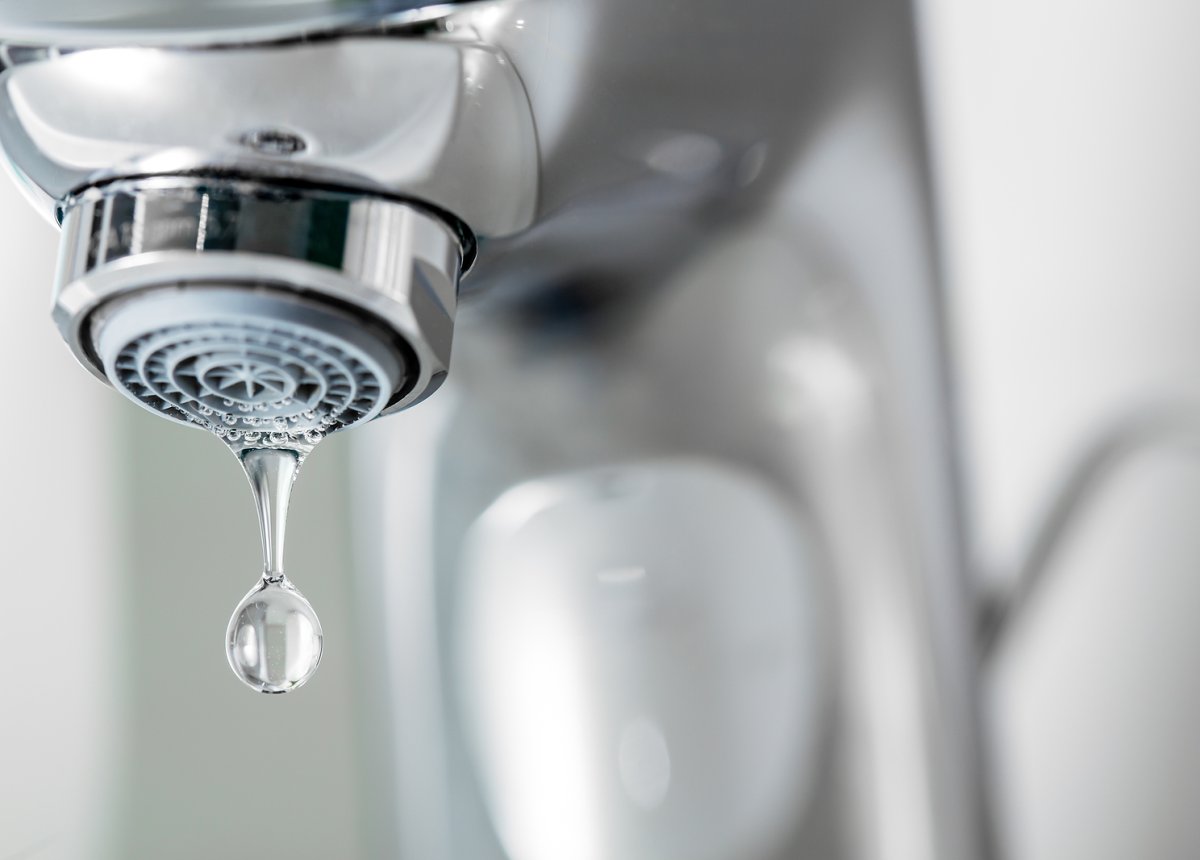
Most plumbing problems don’t announce themselves with a burst pipe or a flooded basement. They start small — a toilet that runs for a few seconds after you flush, a faucet that drips at night, a drain that makes an odd sound when the washing machine empties. It’s easy to tune these things out, especially when life is busy and nothing seems seriously wrong. But your plumbing system is actually communicating with you when it makes these noises, and those communications are worth paying attention to.
At Action Plumbing, Heating, and Cooling, we’ve been diagnosing plumbing problems for homeowners throughout Greater Binghamton and the Southern Tier since 2006. Time after time, the repairs that cost the most — and cause the most disruption — are ones that started as small, ignored symptoms. This guide walks through the most common plumbing noises and quirks homeowners encounter, what they typically mean, and when it’s time to call a professional.
The Running Toilet: More Expensive Than It Sounds
A toilet that keeps running after the flush — especially one that seems to run on and off throughout the day on its own — is one of the most common and most expensive small plumbing problems in any home. The waste isn’t dramatic, but it’s constant. A running toilet can waste anywhere from 25 to 200 gallons of water per day, depending on the severity of the leak. Over a month, that shows up unmistakably on your water bill.
The most common cause is a worn or warped flapper — the rubber seal at the bottom of the tank that controls water flow into the bowl. When it doesn’t seat properly, water slowly seeps from the tank into the bowl, triggering the fill valve to run. A second common culprit is the fill valve itself, which can wear out and allow water to run continuously even when the tank is full. In many cases, a running toilet can be repaired without replacing the entire fixture. Our toilet repair service covers everything from flapper replacement to full flush mechanism rebuilds.
If you want a sense of how much a running toilet and other minor issues actually cost over time, our post on the hidden cost of ignoring minor plumbing problems has the numbers broken down in a way that’s genuinely eye-opening.
The Dripping Faucet: A Small Leak with a Long Reach
A faucet that drips once per second wastes more than 3,000 gallons per year — roughly the equivalent of 180 showers. Beyond the water waste, a dripping faucet is a symptom of worn internal components that will only continue to degrade. A worn washer becomes a worn seat. A leaking cartridge eventually fails completely. What was a $150 repair becomes a $400 repair if ignored long enough.
The root cause of a dripping faucet varies by faucet type. Compression faucets (common in older homes) typically need a new washer or seat. Cartridge faucets need a cartridge replacement. Ball faucets have multiple small components that wear independently. The fix is usually straightforward, but the specific approach depends on the faucet design. Our team handles faucet and sink repair for all faucet types and can tell you honestly whether repair or replacement makes more sense given the fixture’s age and condition.
One thing worth noting: if a faucet is dripping from the base rather than the spout, or if water is visible under the sink, the issue may involve supply line connections or the shutoff valve rather than the faucet itself. Either way, don’t ignore water under a sink — sustained moisture in a cabinet creates mold conditions surprisingly quickly.
Gurgling Drains: What That Sound Is Telling You
A gurgling sound from a drain — particularly after a toilet flushes, or while water is draining from a sink or washing machine — is one of the more diagnostic sounds your plumbing can make. It almost always indicates a venting problem or a partial blockage somewhere in the drain system.
Drain systems rely on vent pipes that run up through the roof to allow air into the drain lines as water flows through them. When those vents are blocked (by debris, nesting animals, or ice buildup in winter), or when there’s a partial obstruction in a drain line, water flowing through the system pulls air through the nearest available opening — which is often a nearby drain trap. That pulling action produces the gurgling sound you hear.
A single gurgling drain that occasionally makes noise may just be a partially clogged trap. But gurgling in multiple drains simultaneously, or gurgling accompanied by slow drainage throughout the house, suggests a blockage in a main drain line rather than a branch line. That’s a more serious situation. Our sewer main cleaning and hydro jetting services address main line blockages that simple drain cleaners can’t touch — and as our post on why DIY drain cleaners do more harm than good explains, chemical drain cleaners often make the underlying situation worse over time.
Banging, Knocking, and Humming Pipes
Pipes that bang, knock, or hum are usually trying to tell you one of three things: water hammer, loose pipe supports, or high water pressure.
Water hammer is the banging or thudding sound that occurs when a valve closes quickly and the momentum of the moving water has nowhere to go. It’s most common when a washing machine valve snaps shut at the end of a fill cycle, or when a dishwasher solenoid closes. Repeated water hammer stresses pipe joints and connections over time and can eventually cause leaks. The fix is usually a water hammer arrestor — a simple device installed at the offending valve.
Loose pipe supports allow pipes to shift and knock against framing or other surfaces as water flows through them. This is common in older homes where pipe straps have corroded or where pipes have been disturbed by previous work. The fix is straightforward: re-securing the pipe with appropriate hangers or straps.
High water pressure causes a range of symptoms beyond noise — including pipe leaks, premature fixture wear, and running toilets. Normal residential water pressure should be between 40 and 80 PSI. Anything above 80 PSI puts consistent stress on every fitting, valve, and appliance in the system. A pressure reducing valve (PRV) installed at the main water line corrects this, and if you’ve been dealing with multiple plumbing issues simultaneously, high pressure may be the common thread.
Slow Drains: When It’s More Than Just a Clog
A single slow drain is usually a localized clog — hair in a bathroom drain, grease accumulation in a kitchen sink, or soap buildup over time. These are generally addressable with professional drain cleaning. Multiple slow drains throughout the house, however, are a different story. They suggest a problem further down the line — in a main drain, a sewer line, or the connection to the municipal sewer or septic system.
Slow drains paired with gurgling sounds, sewage odors, or any backup in a floor drain are signs that shouldn’t be ignored. These can indicate a partial or developing obstruction in the sewer line — and sewer line problems that are caught early are far less expensive to address than ones that progress to a full backup or line failure. Our sewer line repair team can assess the situation and identify the most effective solution. For kitchen sink slow drains specifically, our kitchen sink drain clearing service and our dedicated shower and tub drain clearing handle the most common household drain problems quickly and thoroughly.
When to Call a Professional
Any of the following warrant a call to a plumber rather than a wait-and-see approach: multiple slow drains or gurgling sounds throughout the house, any sewage odor inside or near the home, water under a sink or around the base of a toilet, visible rust or discoloration in the water, or banging pipes that have been present for more than a short time. These symptoms don’t all represent emergencies, but they’re all telling you something that a professional can quickly diagnose and address before it escalates.
If you’re unsure what a symptom means, our 24/7 emergency plumbing team is always available for urgent situations, and we offer straightforward estimates for non-emergency diagnostic visits as well. You can also browse our full range of plumbing services to get a sense of what we handle.
Frequently Asked Questions About Plumbing Noises and Symptoms
Hearing something from your plumbing that doesn’t sound right? Don’t wait for a small symptom to become a big repair. Call Action Plumbing, Heating, and Cooling at (607) 205-1177 or request an estimate online. Our licensed plumbers serve Greater Binghamton and communities throughout the Southern Tier — and we give you straight answers and fair pricing every time.