Cold Radiators and Uneven Heat: How to Get Your Boiler Ready Before the First Hard Freeze
LouAnn Sheldon September 14, 2026 7 min read
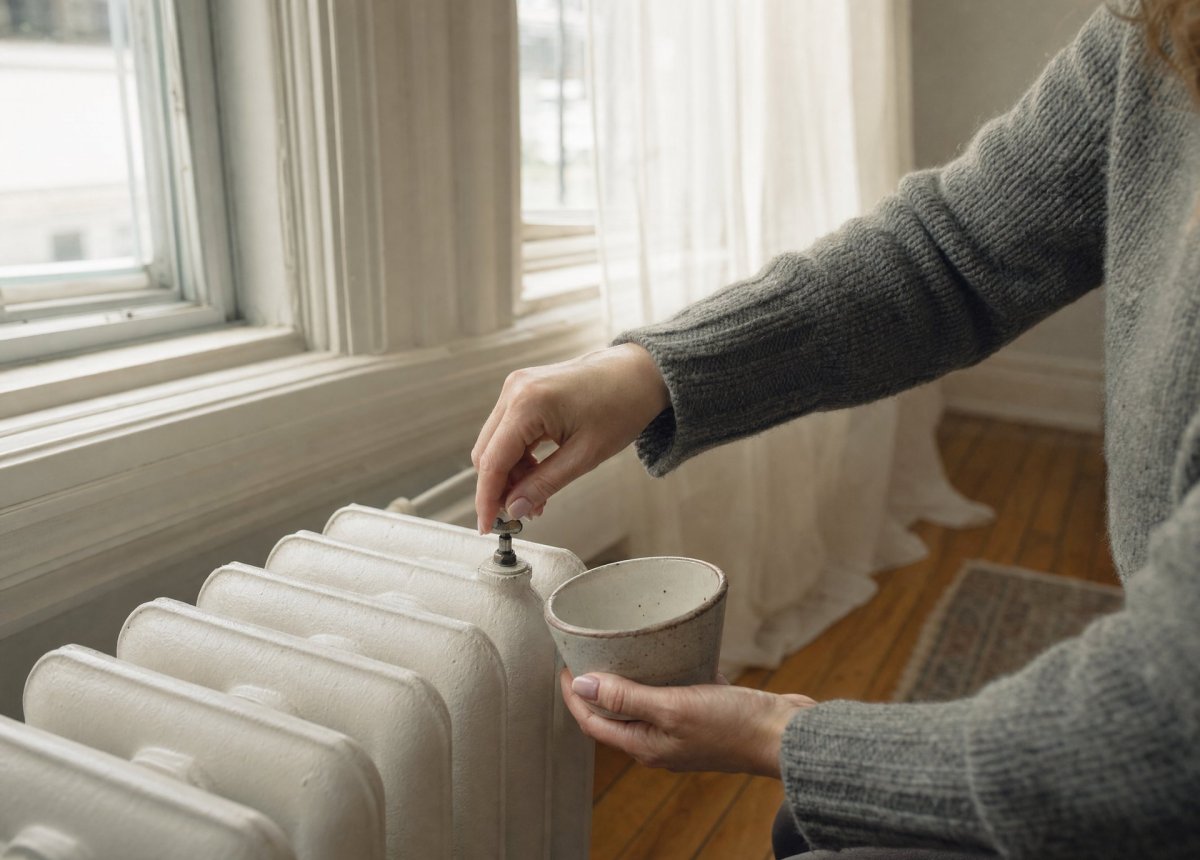
If you live in one of the older homes around Binghamton, Johnson City, or Endicott, there’s a good chance your heat comes from a boiler rather than a furnace. Cast iron radiators under the windows, baseboard fin tube along the walls, often a mix of both.
Boilers are workhorses. Plenty run twenty five or thirty years with minimal fuss, which is exactly why they get ignored until something goes wrong. Then it’s the third week of December and the upstairs bedrooms are ten degrees colder than the living room.
Most complaints we hear about hydronic heat trace back to a few straightforward causes, and several you can address yourself in an afternoon. Here’s what to check before the first hard freeze, and what needs a technician.
Why Radiators Go Cold at the Top
A hot water system only works when the loop is full of water. Air gets in over time through small leaks, fresh water fill, and normal corrosion, and because air rises it collects at the highest points. The upstairs radiators and the top of each radiator go cold first.
A radiator that’s hot at the bottom and cool at the top is almost always trapped air rather than a failing boiler. Before you assume your system is undersized or worn out, rule this out.
Bleeding Your Radiators: A Fifteen Minute Job
You need a radiator key or flathead screwdriver, a cup, and an old towel. Run the system for twenty minutes first so you can feel which units are underperforming.
- Start with the radiator furthest from the boiler on the lowest floor, then work up and out. Order matters more than people expect.
- Open the bleed valve at the top of the radiator about a quarter turn. You’ll hear air hissing out.
- Hold the cup underneath and wait. When a steady stream of water replaces the hissing, close the valve.
- Move to the next radiator and repeat until you’ve done the whole house.
- Check the boiler pressure gauge when you’re finished. Most residential systems should read between 12 and 15 psi when cold.
If pressure dropped below 12 psi, the automatic fill valve normally adds water back on its own. If you find yourself bleeding the same radiator every few weeks, persistent air means water is escaping somewhere and being replaced, and that slow leak is worth finding before it damages a floor or ceiling. Our guide to hidden water leak warning signs covers what to look for, and our pipe leak repair service handles the ones that hide inside walls and under floors.
The Rest of Your Pre-Season Checklist
While you’re down there, take a few minutes with the boiler itself:
- Look for rust or white mineral crust around fittings, valves, and the base of the unit. Both are evidence of a leak that has been weeping long enough to leave a mark.
- Check the pressure relief valve discharge pipe. It should be dry. Water sitting in or dripping from that pipe means the system is over pressurizing.
- Clear storage away from the boiler so combustion air can reach it and so a technician can actually work on it.
- Confirm the expansion tank isn’t waterlogged. Tap it with your knuckle. The top half should sound hollow and the bottom half solid. If the whole tank rings dull and heavy, it has lost its air charge.
- Test your carbon monoxide detectors, since a boiler is a combustion appliance and deserves the same respect as a furnace.
That last item matters. Boilers vent combustion gases the same way furnaces do, and a blocked flue creates the same risk. Our post on boiler warning signs every Binghamton homeowner should watch for goes deeper on the symptoms that indicate something is wrong inside the unit.
When It’s Time to Call Us Instead
Bleeding radiators and eyeballing fittings is where the homeowner side of this ends. Call for professional boiler service if you see any of these:
- Pressure that climbs above 25 psi during operation or drops repeatedly no matter how often you refill
- Banging, knocking, or kettling sounds, which usually indicate sediment buildup or circulation problems
- A circulator pump that’s silent when the boiler is calling for heat
- Water on the floor around the unit, even a small amount
- Any zone that stays cold after you’ve bled every radiator on it
An annual service covers combustion testing, flue inspection, cleaning the heat exchanger surfaces, verifying the low water cutoff and other safety controls, and checking the expansion tank charge. It’s the same logic behind annual maintenance on forced air systems, adapted to hydronic equipment.
Thinking Past This Season
If your boiler is over twenty five years old, repairs are stacking up, or your fuel bills have climbed year after year, it’s reasonable to start pricing a replacement now rather than in an emergency in February. A planned heating system replacement lets you compare options, look at rebates, and schedule the work on your terms.
Some homeowners add a ductless system to solve one stubborn cold room or an addition that never got tied into the loop properly. Because Mitsubishi cold climate systems also cool in July and August, they often make more sense than extending baseboard. Our comparison of boiler versus furnace heating for Southern Tier homes lays out the tradeoffs between system types, and our ductless mini split installation page covers the supplemental option. It’s also worth reviewing what the charges on your NYSEG bill actually mean before you compare operating costs between fuels.
Schedule Before the Rush
Spend an hour with your radiators this weekend and you’ll head into winter with even heat. Anything beyond that, we’re glad to handle. Action Plumbing, Heating, and Cooling has worked on hydronic systems in Endicott and across Greater Binghamton since 2006. Our NATE certified technicians know these old systems and will tell you honestly whether you’re looking at a repair or a replacement.
Call (607) 205-1177, request an estimate, or reach out through our contact page to get on the schedule before the first freeze.