Is Your Boiler Giving You Warning Signs? What Every Binghamton Homeowner Needs to Watch For
LouAnn Sheldon March 2, 2026 8 min read
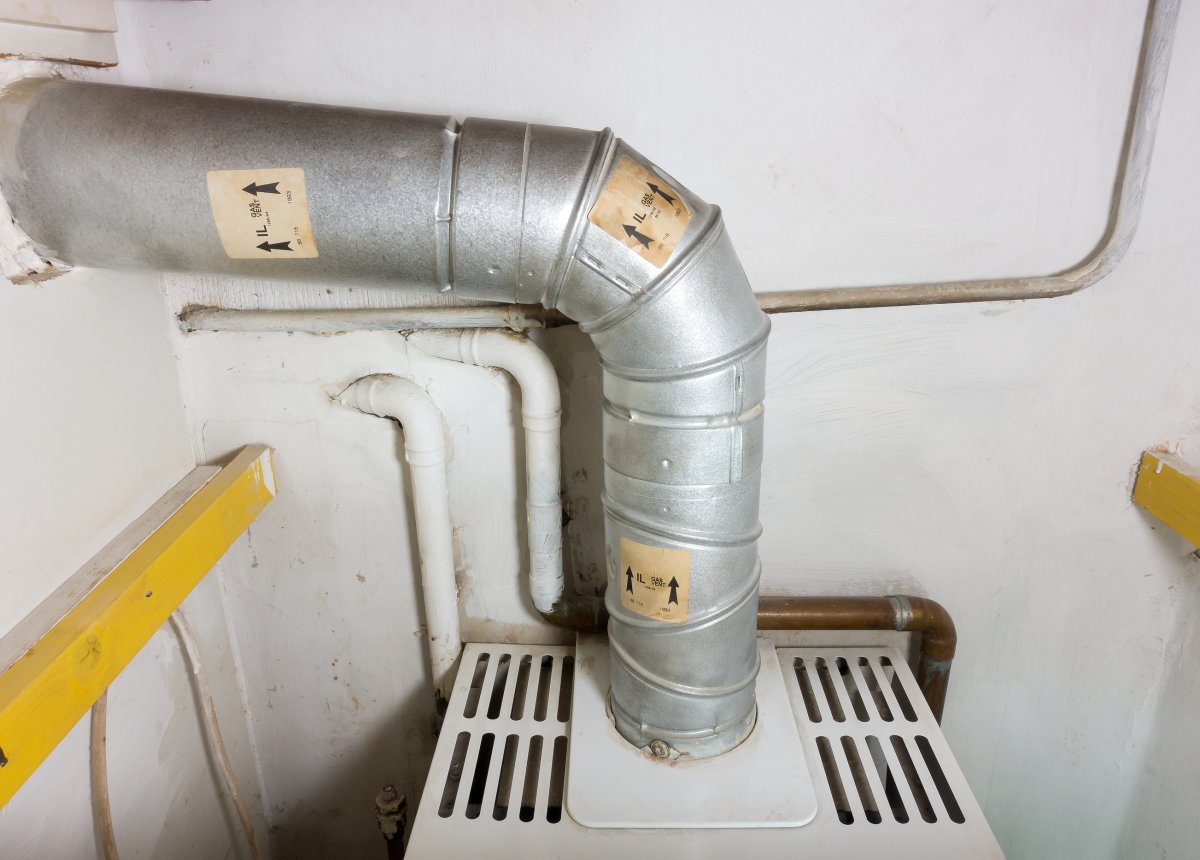
Your boiler has one job — keep your home warm when Binghamton's winters turn brutal. And for years, it probably did that job without much fuss. But boilers don't last forever, and the warning signs of a failing system aren't always obvious. A strange noise here, a lukewarm radiator there — it's easy to brush these things off when the house still feels warm enough.
The problem is that "warm enough" can turn into "not warm at all" fast, especially when wind chills drop below zero in the Southern Tier. At Action Plumbing, Heating, and Cooling, we've been helping Greater Binghamton families with their heating systems since 2006. We've seen what happens when small boiler problems get ignored — and it's always more expensive than catching them early. Here's what to watch for so you can stay ahead of trouble.
Unusual Noises Coming from Your Boiler
A healthy boiler is a relatively quiet boiler. You'll hear it cycle on and off, and that's about it. When new sounds start showing up — banging, whistling, gurgling, or clunking — your system is trying to tell you something.
Banging or "kettling" noises often mean mineral deposits have built up on the heat exchanger. This is common in older homes across Broome County where hard water accelerates scale buildup inside the system. The deposits restrict water flow and cause it to overheat in spots, creating those alarming sounds. Left unchecked, this puts serious stress on the heat exchanger and can lead to cracks or leaks.
Gurgling sounds typically indicate trapped air in the system or low water pressure, while persistent whistling can point to restricted water flow through valves. None of these are problems you should ignore heading into the coldest months of the year. If your boiler has started making noises it didn't make before, it's time for a professional inspection from a qualified boiler technician.
Uneven Heating and Cold Radiators
If some rooms in your home are toasty while others feel like the heat isn't on at all, your boiler may be struggling to distribute hot water evenly through your system. This is especially common in the 1960s–1980s Colonials and Split-levels throughout Johnson City, Endwell, and Vestal, where the original boiler piping has decades of wear.
A single cold radiator might just need bleeding — releasing trapped air so hot water can flow through again. That's a simple fix most homeowners can handle themselves. But if multiple radiators throughout the house aren't heating properly, the issue likely runs deeper. It could be a failing circulator pump, a malfunctioning zone valve, or a boiler that's no longer producing enough heat to meet demand.
Before you chalk it up to "just an old house," have the system evaluated. Sometimes a heating repair is all it takes to get even warmth flowing through every room again.
Rising Energy Bills with No Change in Usage
You've probably noticed your NYSEG bills climbing over the past few winters. Some of that is rate increases — but if your heating costs have jumped significantly while your habits haven't changed, your boiler's efficiency may be declining. As boilers age, they work harder to produce the same amount of heat. Internal components wear down, scale builds up, and the system burns more fuel for less output.
The average boiler lasts 15 to 20 years with proper maintenance. If yours is approaching or past that range and your heating bills keep creeping up, it may actually cost less in the long run to invest in a modern, high-efficiency boiler replacement than to keep feeding an aging system. Our post on why your energy bills keep rising breaks down the other factors that could be contributing — but a declining boiler is one of the biggest culprits.
Visible Leaks, Rust, or Corrosion
Take a look at your boiler and the pipes immediately around it. Do you see any signs of water pooling, rust stains, or green corrosion on fittings? Even a small drip can indicate a serious problem developing inside the system.
Leaks from the boiler body itself often point to internal corrosion or a cracked heat exchanger — both of which typically mean the system needs professional attention right away. Corroded pipe connections can sometimes be repaired, but widespread rust on the boiler tank is usually a sign that replacement is the smarter investment.
This is especially important for Southern Tier homeowners with boilers in basements that are prone to moisture. The combination of humidity and an aging steel system accelerates corrosion, and what looks like a minor surface issue today can become an emergency situation during a February cold snap.
Frequent Cycling or Failure to Stay Running
A boiler that keeps turning on and off in short bursts — known as short cycling — is wasting energy and putting unnecessary strain on its components. This can be caused by anything from a faulty thermostat to a failing pressure relief valve to an oversized system that heats water too quickly and shuts down.
On the other end, a boiler that struggles to fire up or shuts off mid-cycle and won't restart is a clear warning sign. If you find yourself heading down to the basement to reset your boiler more than once or twice a season, something isn't right. Our annual heating maintenance guide explains why routine service catches these issues before they leave you without heat on the coldest night of the year.
The Pilot Light or Flame Isn't Right
If your boiler has a visible pilot light or burner flame, the color matters. A healthy flame burns blue with perhaps a small yellow tip. If the flame is mostly yellow or orange, your boiler isn't burning fuel efficiently — and more importantly, it could be producing elevated levels of carbon monoxide.
Carbon monoxide is colorless and odorless, which makes it especially dangerous. Every home with a boiler should have working CO detectors on each floor. If your CO detector goes off, leave the house immediately and call for emergency help. This isn't a problem to troubleshoot yourself — it requires a professional inspection and repair before the system is used again.
When to Call a Professional
Some boiler issues have simple explanations. A cold radiator might just need bleeding. A thermostat that seems off might need new batteries. But the warning signs below mean it's time to call in a qualified heating professional in Greater Binghamton:
- Banging, kettling, or persistent unusual noises from the boiler
- Multiple cold radiators or rooms that won't heat properly
- Visible leaks, rust, or corrosion on the boiler or surrounding pipes
- A yellow or orange burner flame instead of blue
- Frequent short cycling or repeated need to manually restart the system
- A significant unexplained jump in heating costs
If your boiler is over 15 years old and showing any of these signs, it's worth getting a professional assessment to determine whether a repair makes sense or whether replacement is the better long-term investment. A new high-efficiency boiler can significantly lower your monthly heating costs while providing more reliable, even warmth throughout your home.
Don't Wait for a Breakdown — Get Ahead of the Problem
The worst time to find out your boiler is failing is during a cold snap when every heating company in the Southern Tier is booked solid. If anything in this post sounds familiar, take action now while you can schedule service on your terms rather than scrambling in an emergency.
At Action Plumbing, Heating, and Cooling, our NATE Certified technicians know boilers inside and out — including the older systems common in homes throughout Endicott, Johnson City, and the Greater Binghamton area. Whether you need a diagnosis, a repair, or honest advice about replacement options from brands like Mitsubishi and Heil, we'll give you a straight answer and a fair price.
Call us today at (607) 205-1177 or request your free estimate online. Let's make sure your boiler is ready to handle whatever this winter throws at it.