Frozen Discharge Lines and Winter Power Outages: Getting Your Sump Pump Ready for a Southern Tier Winter
Action Plumbing, Heating & Cooling October 28, 2026 6 min read
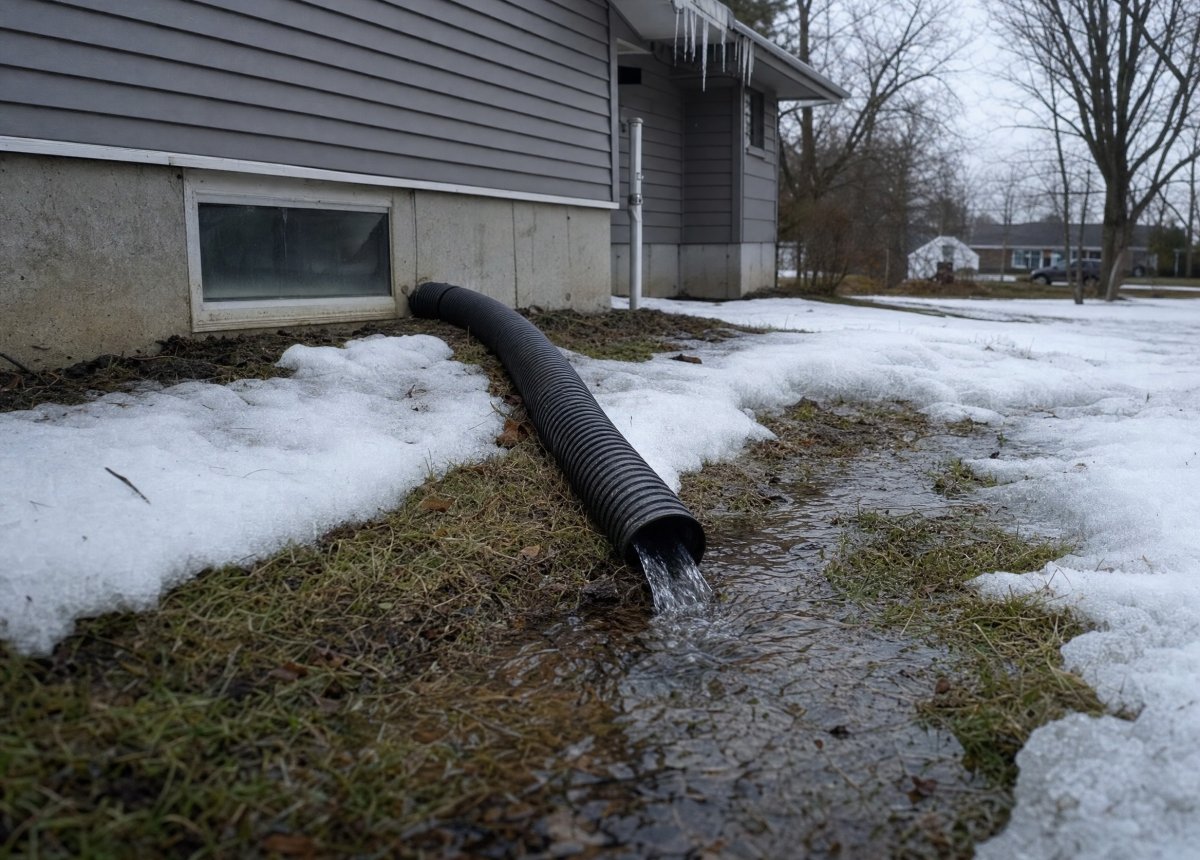
Most people think of sump pumps as a spring problem. The snow melts, the rain comes, and the pump in the corner of the basement finally earns its keep. But Southern Tier winters bring their own risks, and some of the worst basement flooding we see happens between December and March.
A January thaw with rain on top of a snowpack can send a surprising amount of water toward your foundation. Add an ice storm that knocks out power, or a discharge line frozen solid, and your sump pump can fail right when you need it most. Anyone who remembers the 2006 and 2011 floods along the Susquehanna knows how quickly a basement can fill.
Our family-owned team at Action Plumbing, Heating, and Cooling has been installing and servicing sump pumps across the region since 2006. This guide covers sump pump winter prep: the problems cold weather causes, how to protect your system, and when to call a professional.
Why Winter Is Hard on Sump Pumps
A sump pump that works perfectly in April can struggle in January. Here's why:
- Frozen discharge lines. Water that sits in a low spot in the outdoor line can freeze and block it. The pump keeps running against the blockage until it overheats or the pit overflows.
- Power outages. Ice and heavy snow bring down lines, and a standard sump pump stops the moment the power goes out.
- Frozen ground. Frozen soil can't absorb rain or snowmelt, so more water heads toward your foundation during a thaw.
- Long idle stretches. A pump that sits unused for weeks can have a stuck float switch when it's suddenly needed.
Many Southern Tier basements also hold the furnace, water heater, and washer. That makes a sump pump failure more than just a wet floor.
Protecting Your Sump Pump Discharge Line
The discharge line is the most common winter weak spot, and it's also one of the easiest to protect:
- Keep it sloped. The line should run downhill away from the house with no dips or sags where water can collect and freeze.
- Extend it away from the foundation. Water needs to drain far enough away that it doesn't soak right back toward the basement.
- Add a freeze guard. This inexpensive fitting near the house lets water escape if the line further out freezes, so the pump isn't fighting a blockage.
- Keep the outlet clear. Check that snow, ice, and leaves aren't blocking the end of the line after storms.
Never route a sump pump into your home's sewer line. Many municipalities prohibit it, and it can overload the sewer system during storms. If your basement floor drain already backs up in heavy rain, our sewer main cleaning service can find out why.
Planning for Winter Power Outages
A sump pump is only as reliable as its power supply. A battery backup sump pump sits alongside your main pump and takes over automatically when the power goes out or the primary pump fails. For finished basements, or homes that have flooded before, it's one of the most valuable upgrades you can make.
Some homes use a water-powered backup pump instead. Keep in mind that these depend on municipal water pressure. If your home is on a private well, your well pump also stops during an outage, so a battery backup is the better choice. A high-water alarm is another inexpensive add-on that warns you before water reaches the floor. During an outage, you can check restoration updates through NYSEG.
A Quick Fall Sump Pump Check
Take 15 minutes this fall to make sure your pump is ready:
- Check that the pump is plugged in and the outlet's GFCI hasn't tripped.
- Clear any gravel, silt, or debris from the pit.
- Slowly pour a few gallons of water into the pit and confirm the pump turns on and off on its own.
- Listen for grinding, rattling, or humming without pumping.
- Make sure water doesn't flow back into the pit after the pump shuts off, which can mean a failing check valve.
- Test the battery on your backup pump if you have one.
Most sump pumps last around 7 to 10 years. If yours is approaching that age or shows any of the telltale signs of sump pump trouble, replacing it before winter is far easier than replacing it during a storm.
When to Call a Professional
Call a plumber if your sump pump:
- Doesn't turn on during your water test
- Runs constantly or cycles on and off rapidly
- Makes loud or unusual noises
- Is 7 or more years old or shows rust and corrosion
- Has no backup and you have a finished basement
Our sump pump installation team can replace an aging pump, add a battery backup, and reroute or protect a discharge line that's prone to freezing. If an outdoor line has already frozen and cracked, our frozen pipe repair service can handle that too. We work throughout river communities, from plumbing service in Conklin to homes needing a Port Crane plumber.
Finish Your Sump Pump Winter Prep Before the First Thaw
A little sump pump winter prep goes a long way. Protect the discharge line from freezing, plan for power outages, and test your pump before the season turns. Those few steps can keep your basement, and everything in it, dry through a Southern Tier winter.
Our NATE-certified, family-owned team offers fair, transparent pricing and honest recommendations. Call (607) 205-1177 or request an estimate online to schedule a sump pump inspection.