Spring Flooding Season Is Here: What Homeowners Should Know About Sump Pumps
LouAnn Sheldon May 7, 2026 8 min read
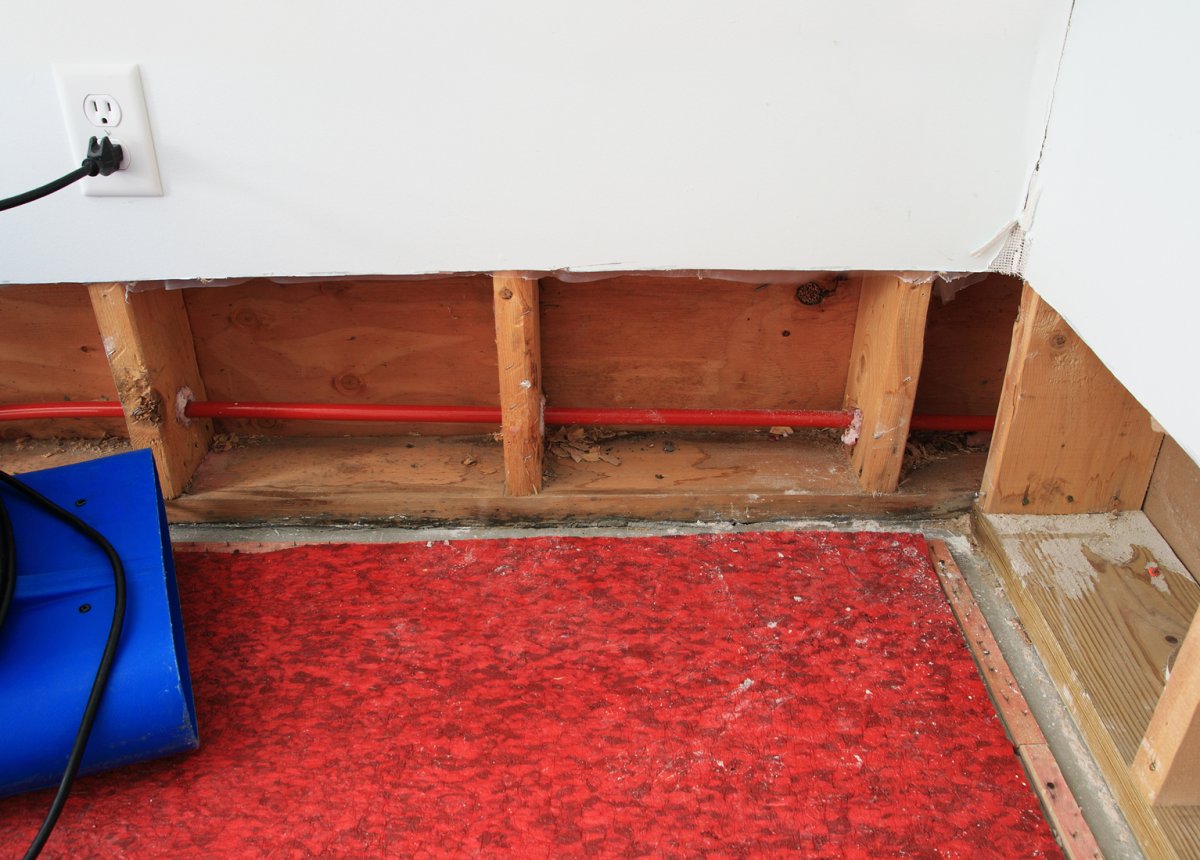
Spring in Upstate New York has a way of arriving all at once. After months of frozen ground and accumulated snowpack, a few warm days combined with heavy April or May rains can send water rushing toward your home’s foundation faster than the soil can absorb it. For homeowners with finished basements, stored belongings, or mechanicals sitting on a concrete slab, that scenario is genuinely stressful — and unfortunately, all too common.
A properly functioning sump pump is your first line of defense. But “properly functioning” is the key phrase. A pump that sat idle all winter may not be ready when you need it most. At Action Plumbing, Heating, and Cooling, we respond to more basement flooding calls in April and May than any other time of year — and in the vast majority of cases, the problem traces back to a sump pump that was never tested or maintained before the season began. This guide covers what every homeowner should know before spring flooding peaks.
How a Sump Pump Works — and Why It Matters
A sump pump sits in a pit (the sump basin) at the lowest point of your basement or crawl space. As groundwater rises around your foundation, it drains into the pit through perforated pipes or natural soil infiltration. When the water level reaches a set point, a float switch triggers the pump, which then pushes the water up through a discharge pipe and out away from your home. The whole process is automatic — or it’s supposed to be.
The problem is that most sump pumps only run during wet conditions, which means they can sit untested for months at a time. Mechanical components wear down, float switches can get stuck, and the discharge line can become clogged or frozen. When a big storm arrives and the pit fills up, a pump that hasn’t been checked may fail right when it’s needed most. A properly installed and maintained sump pump is one of the most valuable investments a homeowner can make — but it only works if it’s in good working order.
Spring Sump Pump Checklist: What to Do Right Now
Before the next round of spring rains, take 15 minutes to run through these checks. They’re simple enough for any homeowner to perform and can save you from a very unpleasant surprise.
- Test the pump manually. Pour a bucket of water slowly into the sump pit. The pump should activate before the water reaches the top of the pit and shut off cleanly once the water is cleared. If it doesn’t activate, the float switch may be stuck or the pump may have failed.
- Check the discharge line. Follow the discharge pipe from the pump to where it exits the house. Make sure the outdoor end is clear of debris, mud, and ice. A blocked discharge line causes the pump to run continuously without moving water — burning out the motor in a matter of hours.
- Inspect the float switch. The float switch triggers the pump when water rises. Make sure it can move freely in the pit and isn’t tangled against the side of the basin or wedged by debris.
- Listen for unusual sounds. A pump that rattles, hums without moving water, or cycles on and off rapidly is signaling a problem. Don’t ignore unusual sounds — they almost always get worse under heavy load.
- Check for backup power. Standard sump pumps run on electricity. If your power goes out during a storm — exactly the scenario when you most need the pump running — you’re unprotected without a battery backup or water-powered backup system.
Signs Your Sump Pump Needs to Be Replaced
Sump pumps typically last 7–10 years with normal use. If yours is approaching that range — or if you’re not sure how old it is — spring is the right time to have it evaluated before you’re counting on it. Age alone isn’t always reason enough to replace a pump, but certain symptoms are.
Call a plumber if your sump pump runs constantly even when it hasn’t rained, makes grinding or rattling noises during operation, smells like it’s burning, visibly vibrates more than usual, or fails the bucket test described above. You should also be concerned if you notice rust or corrosion on the pump housing, or if your basement has had any moisture intrusion in the past year despite the pump being present. Our post on signs you should install a sump pump is a helpful reference if you’re starting from scratch or upgrading from an older system.
If water has already reached your basement walls or floor, the issue may go beyond the sump pump itself. Hidden water leaks and foundation infiltration can cause long-term structural and mold problems that compound quickly. The sooner those are identified, the less damage results.
The Case for a Battery Backup System
One of the most important things a homeowner can do after installing or replacing a sump pump is to add a battery backup. In Upstate New York, the storms that produce the heaviest rainfall — the exact events most likely to overwhelm a sump pit — are also the storms most likely to knock out power. Without backup power, your pump is useless precisely when the stakes are highest.
A battery backup sump pump activates automatically when the primary pump fails or loses power. Some systems also include a water alarm that alerts you when the backup kicks in, so you know to address the situation before it escalates. If your current setup doesn’t include a backup, ask us about adding one when we install or service your primary pump. It’s a relatively modest addition that provides significant peace of mind — especially if you’re away from home during a spring storm.
For homes with basements that have historically had moisture issues, our 24/7 emergency plumbing team is always available if flooding occurs. And if you’ve dealt with pipe leaks or water line issues in the past, spring is also a good time to have those inspected before the ground thaws completely and pressure on aging pipes increases.
When to Call a Professional
Call Action Plumbing, Heating, and Cooling any time your sump pump fails the bucket test, makes unusual sounds, or shows signs of wear described above. You should also call us before the season begins if your pump is more than 7 years old and has never been professionally inspected, if your basement has had any moisture issues in the past year, or if you’re buying a home and aren’t sure about the condition of the existing system. Don’t wait for standing water to make the call — emergency calls during active flooding are stressful, expensive, and often avoidable with a little preparation.
We serve homeowners throughout Greater Binghamton, Broome County, and the surrounding Southern Tier. Our licensed plumbers arrive prepared, give you straight answers, and offer transparent pricing with no surprises. Check out what our customers have to say on our reviews page, or read more about our approach on the why choose us page.
Frequently Asked Questions About Sump Pumps
Don’t wait for a flooded basement to think about your sump pump. Call Action Plumbing, Heating, and Cooling today at (607) 205-1177 to schedule an inspection or installation, or request an estimate online. We serve homeowners throughout Greater Binghamton and the Southern Tier, and we’re available 24/7 for plumbing emergencies.