Hose Bibs, Outdoor Spigots, and Summer Yard Plumbing: What Southern Tier Homeowners Need to Check This Summer
LouAnn Sheldon July 22, 2026 8 min read
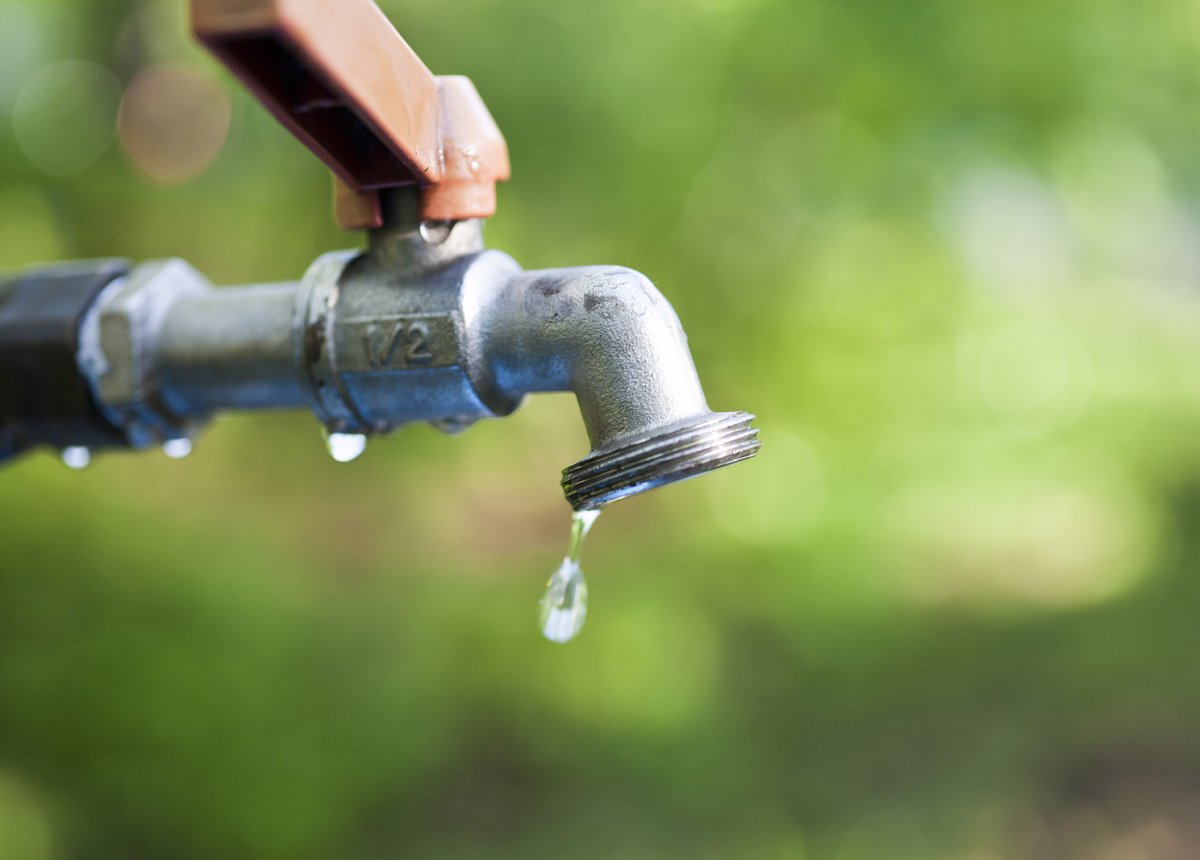
You hook up the garden hose to water the tomatoes, and water sprays out from around the handle. Or you notice a wet spot on the foundation right below where the spigot comes out of the house. Or your water bill has quietly crept up by $30 a month and you have no idea why. These are all signs your outdoor plumbing needs some attention — and July is exactly when Southern Tier homeowners tend to discover the problem.
Outdoor faucets, called hose bibs or sillcocks, take more abuse than any other fixture in your home. They freeze all winter, get whacked by lawn mowers, hold up the weight of tangled hoses, and connect to a system that has to handle everything from garden watering to filling kiddie pools. And because they’re out of sight most of the year, small problems have plenty of time to become big ones.
At Action Plumbing, Heating, and Cooling, we’ve been helping homeowners across Binghamton, Endicott, and Vestal keep their outdoor plumbing working reliably since 2006. Here’s what to check this month and what those signs actually mean.
The Most Common Outdoor Faucet Problems
Most outdoor faucet issues fall into one of a handful of categories, and each has different implications for cost and urgency. Knowing what you’re looking at helps you decide whether it’s a quick fix or a call for professional pipe leak repair.
Water Leaking from the Handle When the Faucet Is On
This is almost always a worn packing washer or O-ring inside the valve stem. It’s a common wear item that eventually fails after years of use. The good news is that the fix is often straightforward. The bad news is that if you ignore it, water can travel back along the pipe and cause damage inside the wall where you can’t see it.
Dripping from the Spout After You Shut It Off
The valve seat or washer inside has worn out and isn’t sealing properly. On a standard hose bib, this is a fairly simple repair. On a frost-free sillcock (which extends further into the house), the fix is more involved because the shutoff mechanism is inside the wall.
Water Coming from the Foundation or Basement Wall Nearby
This is the one that should get your attention fast. If you see water pooling below your hose bib, on your basement wall inside, or seeping around the pipe where it enters the house, there’s likely a crack in the pipe itself. Cold winters in the Southern Tier are hard on outdoor plumbing, and pipes that partially froze in January often show up as spring or summer leaks. These situations can quickly become hidden water leaks, which we cover in more detail in our post on warning signs of hidden water leaks.
Reduced Water Pressure at the Hose
Lower pressure than you remember can mean a partial blockage, a compromised supply line, or a problem further back in your plumbing system. It’s worth investigating early rather than assuming it’s normal.
Why Backflow Prevention Matters More Than You Think
When you leave a garden hose submerged in a bucket, a wading pool, or connected to a fertilizer sprayer, and the water in your home drops in pressure — say, someone flushes a toilet upstairs — water can actually flow backward through the hose and into your drinking water supply. It’s called backflow, and it’s the reason building codes require anti-siphon devices on outdoor faucets.
Most modern hose bibs installed in the last 20 years have a built-in vacuum breaker to prevent this. Older homes may not. If your outdoor spigot doesn’t have a vacuum breaker on it, an inexpensive add-on device screws right onto the threads and protects your household water. Contamination from garden chemicals or standing water in a hose is a real risk that’s easily prevented.
Simple Summer Checks Every Homeowner Should Do
- Turn on each outdoor faucet and look for drips, sprays, or leaks around the handle and connection points.
- Feel the wall inside the house near where the pipe runs (basement or crawl space). Any dampness means water is going somewhere it shouldn’t.
- Check the water meter when nothing in the house is using water. If it’s still moving, you have a leak somewhere.
- Inspect the exterior caulking where the pipe enters the house. Cracked caulk lets water and pests inside.
- Confirm you have a vacuum breaker on each hose bib. If not, add one before doing any yard chemical work.
Older Homes and the Winter Damage You Might Not Have Noticed
Homes built in the Southern Tier before the mid-1990s often have standard hose bibs rather than frost-free sillcocks. When a homeowner forgets to disconnect the hose in fall, water gets trapped and freezes, splitting the pipe just inside the wall. The pipe doesn’t leak all winter because it’s frozen solid — but the first warm day you turn on the spigot, water pours into your wall or basement.
Upgrading to a frost-free sillcock during a repair prevents this from happening again. It’s a modest cost that pays off in peace of mind. If you had a frozen pipe issue this past winter and dealt with it in the moment, it’s worth having a professional confirm nothing was left compromised. Our pipe replacement and repair service handles both the emergency and preventative cases.
When to Handle It Yourself and When to Call Us
Replacing a hose bib washer or adding a vacuum breaker is a reasonable DIY project for a handy homeowner. Replacing a cracked outdoor pipe, dealing with hidden leaks inside a wall, or upgrading to a frost-free sillcock generally isn’t. The cost of getting it wrong — water damage, mold, damaged siding, or a repeat leak next season — usually outweighs the savings.
The hidden costs of ignoring small plumbing problems add up quickly with outdoor plumbing because leaks often go unnoticed until they’ve done real damage. If you’re not sure what you’re looking at, a professional inspection costs far less than a wall repair down the road.
Why Southern Tier Homeowners Trust Action Plumbing
We’ve been a family-owned business serving Endicott, Vestal, and the greater Binghamton area for nearly 20 years. Our team knows how Southern Tier weather affects older housing stock, and we’re upfront about what actually needs fixing versus what can wait. For emergency situations, our 24/7 emergency plumbing service is always available.
Common Questions About Outdoor Plumbing
Fix the Small Stuff Before It Becomes the Big Stuff
Outdoor plumbing is easy to overlook, but a 10-minute walk-around this weekend can save you hundreds or thousands in repairs down the road. Check every hose bib, look for damp spots, and address the drips before they turn into full-blown leaks.
If you find something that’s beyond a DIY fix, or if you’d rather have a professional look at everything before summer really gets going, call Action Plumbing, Heating, and Cooling at (607) 205-1177 or request an estimate online. We’ve been serving Southern Tier homeowners with honest work and fair pricing for nearly two decades.