Your Outdoor AC Unit Needs Help This Summer: Condenser Care Every Binghamton Homeowner Should Know
LouAnn Sheldon July 2, 2026 6 min read
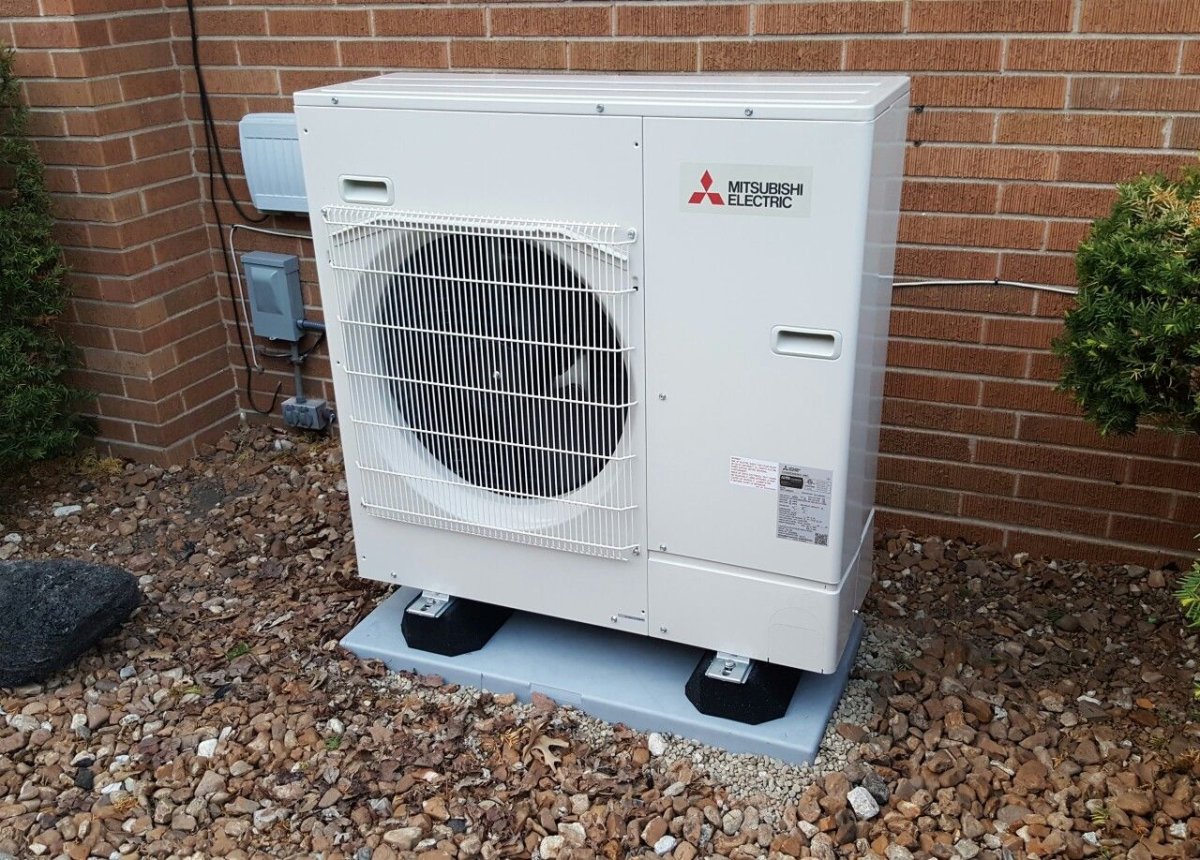
You’ve set the thermostat to 72°, but by mid-afternoon the house still feels sticky and the AC hasn’t stopped running all day. Before you assume the worst about your system, walk outside and take a look at the big metal box on the side of your home. That’s your condenser, and by early July it’s often the reason your air conditioner is working overtime.
Here in the Southern Tier, outdoor condenser units take a beating between May and September. Grass clippings from Saturday mowing, cottonwood fluff drifting through the neighborhood, thunderstorm debris, and the occasional stray toy or garden hose can all choke off airflow and force your system to work harder than it should. The good news is that most of what causes summer AC struggles is preventable with a little routine attention.
At Action Plumbing, Heating, and Cooling, we’ve been servicing air conditioners across Binghamton, Endicott, Johnson City, and Vestal since 2006. Here’s what every homeowner should know about caring for the outdoor half of their central air system.
What Your Condenser Actually Does (And Why Airflow Matters So Much)
Your central air system has two halves: the indoor unit that blows cool air through your ducts, and the outdoor condenser that dumps the heat from your home into the outside air. That heat exchange only works when air can move freely through the condenser’s fins, which look like thin metal grates wrapped around the unit.
When those fins get clogged with grass, leaves, dirt, or dryer lint, the condenser can’t release heat efficiently. Your system runs longer to reach the same temperature, your energy bill climbs, and the compressor — one of the most expensive parts of your AC — wears out sooner than it should. If you’ve noticed your central air running all day without cooling, a dirty or blocked condenser is one of the first things to check.
Simple Summer Maintenance You Can Do Yourself
You don’t need to be a technician to handle basic condenser care. A few minutes each month can make a real difference in how your system performs and how long it lasts.
- Keep a 2-foot clearance zone. Trim back shrubs, ornamental grasses, and any plants that have crept toward the unit since spring. Airflow needs open space on all sides.
- Rinse the fins gently. Turn off power at the disconnect box, then use a garden hose (not a pressure washer) to rinse debris from the outside of the fins. Spray from the inside out if you can safely remove the top grille.
- Redirect your mower. Aim the discharge chute away from the condenser. Grass clippings pack into fins tighter than almost anything else.
- Clear the top. Sticks, leaves, and even tennis balls end up on top of the unit. Clear it off so the fan can pull air through freely.
- Check the concrete pad. Older homes in the Southern Tier often have condenser pads that have shifted over the years. An unlevel unit vibrates more and wears out faster.
If your unit is more than 10 years old or you’ve noticed it running more than it used to, schedule a professional inspection. Our spring AC tune-up checklist covers everything a technician looks at during a full seasonal service.
What to Watch For After Southern Tier Thunderstorms
July and August bring some of the most intense thunderstorm activity of the year in Broome County. High winds and hail can damage condenser fins, and lightning strikes on the power grid can trip breakers or fry electrical components in your outdoor unit.
After a bad storm, walk out and take a look. Bent fins can be gently straightened with a fin comb, but bigger damage — a leaning unit, a cracked casing, or a fan that won’t spin — usually means it’s time to call for professional AC repair. If you’re seeing six or more of the warning signs in our guide on when Binghamton homes need AC repair or replacement, storm damage may have accelerated an existing problem.
When to Call a Professional
Some issues are outside what a homeowner should tackle. Refrigerant leaks, compressor failures, electrical shorts, and control board problems all require licensed HVAC technicians with the right equipment. If your condenser is icing up, humming without spinning, tripping breakers, or leaking oil, shut the system off and call us.
For homes with older ductwork or persistent uneven cooling, a ductless mini-split system from Mitsubishi may be a better long-term solution than repeatedly patching an aging central unit. We install premium Mitsubishi systems designed to handle Binghamton’s humid summers and cold winters, and we can talk you through whether upgrading makes sense for your home.
Why Binghamton Homeowners Trust Action Plumbing
We’ve been a family-owned business serving the greater Binghamton area for nearly two decades. Our NATE-certified technicians know the local housing stock, understand what Southern Tier weather does to HVAC equipment, and give you honest, straightforward pricing without pressure. Whether you need a quick condenser check or a full air conditioner installation, we’ll treat your home the way we’d want ours treated.
Frequently Asked Questions About AC Condenser Care
Ready to Get Your AC Running Its Best?
A well-maintained condenser saves you money every summer, extends the life of your entire system, and gives you the reliable cooling your family needs during those muggy July stretches. If your unit hasn’t been professionally serviced this year, or if you’ve noticed any of the warning signs we’ve covered, don’t wait for a breakdown on the hottest day of the year.
Call Action Plumbing, Heating, and Cooling at (607) 205-1177 or request an estimate online. We serve Binghamton, Endicott, Vestal, Johnson City, and the surrounding communities with the honest, dependable service we’ve built our name on since 2006.