Is Your AC Making You Sick? What Poor Indoor Air Quality Could Be Doing to Your Family This Summer
LouAnn Sheldon June 3, 2026 8 min read
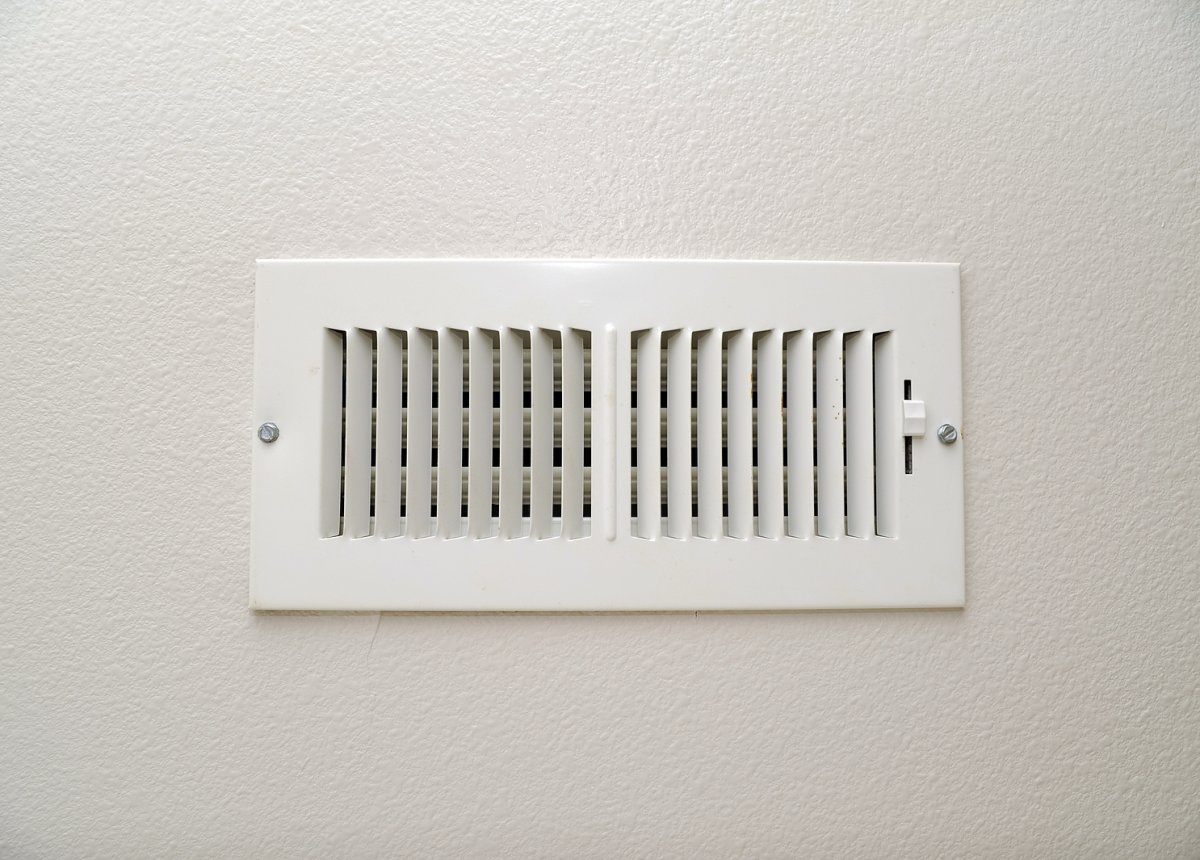
Summer in the Southern Tier is a welcome change after our long, cold winters—but once the heat and humidity arrive, most Binghamton families close up their homes and let the air conditioner take over. That’s when a problem most homeowners never think about starts quietly building: indoor air quality. When your home is sealed tight and your AC is running all day, whatever is circulating through your system is circulating through your lungs, too.
At Action Plumbing, Heating, and Cooling, we’ve been serving Greater Binghamton homeowners since 2006, and we hear a version of the same story every summer: “We’ve had more headaches this year.” “My kids’ allergies are worse indoors than out.” “There’s a musty smell we can’t get rid of.” More often than not, the culprit is the HVAC system—or more specifically, what’s living inside it.
What’s Actually Circulating Through Your Home This Summer
Your central air conditioner doesn’t just cool the air—it pulls air from every room in your house, passes it through a filter and over the evaporator coil, and redistributes it throughout your home. If any part of that system is dirty, moldy, or struggling, those contaminants ride along for the trip. Common indoor air quality offenders include dust mites, pollen, pet dander, mold spores, and volatile organic compounds (VOCs) from household products.
The Southern Tier’s humid summers make mold a particularly real concern. When moisture builds up on your AC’s evaporator coil or inside your ductwork—which is common in systems that haven’t been serviced recently—mold spores can spread through your home every time the system runs. If you’ve noticed a musty smell coming from your vents, that’s not something to ignore. It’s a signal your system needs attention before the problem gets worse.
Warning Signs Your AC Is Hurting Your Home’s Air Quality
You don’t need special equipment to spot the early signs of an air quality problem. Here’s what to watch for in your Binghamton home this summer:
- Musty or stale odors from vents — often a sign of mold or mildew inside the system or ductwork
- Increased allergy or asthma symptoms indoors — especially if symptoms improve when you leave the house
- Visible dust buildup around vents — indicates the filter may be overwhelmed or past due for replacement
- Excessive humidity indoors — a properly functioning AC dehumidifies your home; if it’s not, the system may need service
- Dust settling quickly on surfaces — a dirty or oversized system can short-cycle and fail to properly filter the air
If any of these sound familiar, a professional AC tune-up is a smart first step. During a maintenance visit, our NATE-certified technicians inspect your coils, check refrigerant levels, clean drainage lines, and evaluate your filtration—all of which directly affect the quality of air your family breathes.
The Role Your Air Filter Really Plays
Your air filter is the first line of defense between your living space and everything your system pulls in. Most manufacturers recommend changing standard 1-inch filters every 30–60 days during peak cooling season—but in a Southern Tier home with pets, kids, or anyone with allergies, monthly changes are a good habit. A clogged filter doesn’t just reduce air quality; it forces your system to work harder, which can lead to the kind of performance problems described in our post on signs your Binghamton home needs AC repair or replacement.
Upgrading to a higher MERV-rated filter (MERV 8–11 is a solid range for most homes) can make a noticeable difference for allergy sufferers. Just be sure to check your system’s specifications first—filters that are too restrictive can reduce airflow and strain your equipment. Our technicians can recommend the right filter for your specific system.
When the Ductwork Itself Is the Problem
Even a well-maintained AC unit can’t overcome dirty or leaky ductwork. In older Binghamton homes—particularly the Colonials and split-levels common to neighborhoods throughout Broome County—ductwork can accumulate years of dust, debris, and even pest activity. Leaky ducts can also pull in unconditioned air from attics, crawl spaces, and wall cavities, introducing contaminants your filter never gets the chance to catch.
If your home has never had duct cleaning, or if it’s been more than five years since the last cleaning, it may be worth having a professional assessment. This is especially true if you’ve recently completed any renovation work, which sends significant amounts of dust and particulate matter into the duct system.
Could a Ductless System Be the Answer?
For homeowners dealing with persistent air quality issues—especially in older homes with aging ductwork—a ductless mini-split system is worth considering. Because ductless systems deliver conditioned air directly to each room without traveling through a duct network, they eliminate one of the biggest sources of indoor contamination. Mitsubishi’s ductless systems include multi-stage filtration built into each indoor unit, which can significantly improve the air quality in the rooms where your family spends the most time.
We’ve helped many Binghamton homeowners use ductless systems to address both comfort and air quality concerns, particularly in bedrooms and finished basements. You can learn more about whether your home is a good candidate in our guide to 5 signs your Binghamton home is perfect for ductless mini-splits.
Common Questions About Indoor Air Quality and Your AC System
Don’t Let Your AC Work Against Your Family This Summer
Your air conditioner should be one of the hardest-working allies in your home this summer—not a source of sneezing, headaches, or mystery odors. The good news is that most indoor air quality issues related to HVAC systems are straightforward to address with proper maintenance and, when needed, a system upgrade. At Action Plumbing, Heating, and Cooling, our NATE-certified technicians are familiar with the homes and climate conditions across Greater Binghamton, and we’ll give you an honest assessment without trying to sell you something you don’t need.
Ready to breathe easier this summer? Call us at (607) 205-1177 or request a free estimate online. We serve homeowners throughout Binghamton, Endicott, Vestal, Johnson City, and communities across Broome County.