Slow Drains Throughout Your Home? What Binghamton Homeowners Should Know Before Reaching for the Draino
LouAnn Sheldon March 12, 2026 7 min read
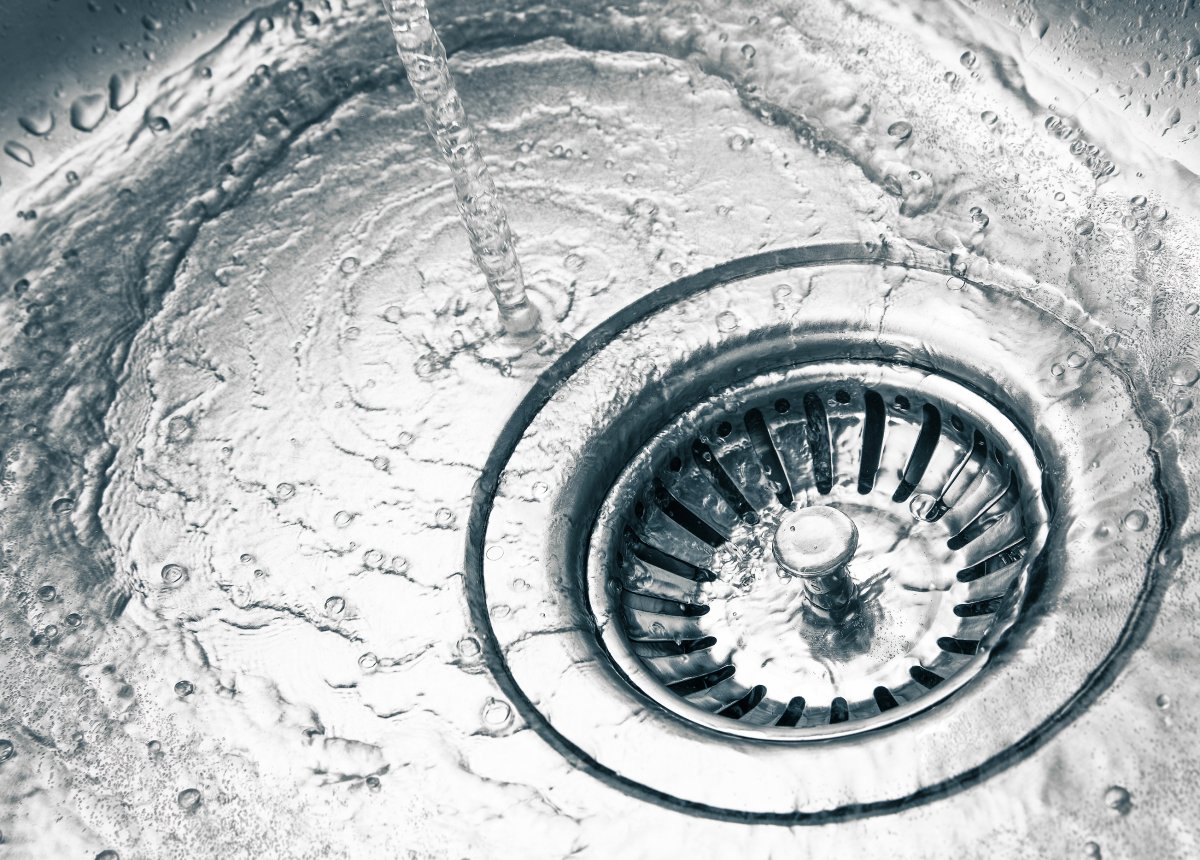
A slow drain is one of those plumbing problems that's easy to live with — at first. The kitchen sink takes a little longer to empty. The shower starts pooling around your ankles. The washing machine seems to back up for a minute after each cycle. It's annoying, but it doesn't seem urgent enough to call a plumber over. So you reach for a bottle of chemical drain cleaner, pour it in, and hope the problem goes away.
Here's the thing: chemical drain cleaners like Draino and Liquid-Plumr can actually make things worse — especially in the older homes found throughout Binghamton, Johnson City, Endwell, and the surrounding Southern Tier communities. At Action Plumbing, Heating, and Cooling, we've been helping homeowners with clogged and slow drains since 2006, and we've seen firsthand the damage that store-bought chemicals can do to aging pipes. Here's what you should know before reaching under the sink.
Why Chemical Drain Cleaners Are a Bad Idea for Older Homes
Chemical drain cleaners work by creating a chemical reaction that generates heat to dissolve whatever is blocking the pipe. The problem is that this heat doesn't just affect the clog — it affects your pipes, too. In homes with older cast iron, galvanized steel, or even aging PVC drain lines, that heat and chemical corrosion can weaken pipes that are already decades old.
Many homes in Broome County were built in the 1960s through 1980s with cast iron drain lines that are now well past their expected lifespan. Repeatedly pouring caustic chemicals through these pipes accelerates deterioration, leading to cracks, joint failures, and eventually the kind of sewer backup nobody wants to deal with. The $8 bottle of drain cleaner can turn a $200 professional drain clearing into a multi-thousand-dollar sewer line repair.
What's Actually Causing Your Slow Drains
Slow drains have different causes depending on where in the house the problem shows up. Understanding the likely culprit helps determine the right fix.
Kitchen sinks typically slow down due to grease, food particles, and soap residue building up inside the drain line over time. Even if you're careful about what goes down the disposal, cooking oils coat the interior of pipes and gradually narrow the passageway. A professional kitchen sink drain clearing removes this buildup without harming your pipes.
Shower and tub drains almost always involve hair combined with soap scum. This creates a sticky mass that clings to the inside of the pipe and gets worse over time. Hair catchers help prevent the problem, but once the clog has formed, a professional shower and tub drain clearing is the safest and most effective solution.
Laundry room drains catch lint, fabric fibers, and detergent residue that conventional drain cleaners struggle to dissolve. If your washing machine drain backs up regularly, a professional laundry drain service will clear the line and help you understand what's causing repeat problems.
When Slow Drains Signal a Bigger Problem
Here's where it gets important: if multiple drains in your home are slow at the same time, the problem probably isn't in the individual drain lines. It's likely in your main sewer line. Tree root intrusion, pipe bellies (sagging sections that collect debris), and decades of buildup in the main line can all restrict flow to the point where every drain in the house is affected.
This is exactly the kind of problem that no amount of chemical cleaner will fix. It requires professional equipment — either a motorized drain snake or, for more serious blockages, hydro jetting services that use high-pressure water to scour the inside of the pipe clean. Hydro jetting is particularly effective against tree roots, heavy grease buildup, and scale that's narrowed the pipe over many years.
If you notice multiple slow drains, gurgling sounds from your toilet when the washing machine runs, or sewage odors coming from your drains, don't wait. These are warning signs that your sewer main needs professional attention before the problem escalates into a full backup. Our post on signs your sewer line needs repair covers these red flags in more detail.
What You Can Do Before Calling a Plumber
Not every slow drain requires a service call. Here are a few safe things to try first:
- Remove and clean the drain stopper or strainer — you'd be surprised how much hair and debris collects there
- Pour boiling water down the drain to soften minor grease buildup (safe for metal pipes; use hot but not boiling water for PVC)
- Try a mixture of baking soda and vinegar — it's gentler than chemicals and can help with minor buildup
- Use a small hand-crank drain snake (available at any hardware store) to reach clogs in the first few feet of pipe
If these steps don't resolve the problem, or if the drain slows down again within a few days, the clog is deeper than what household methods can reach. That's when it's time to call a professional who can clear the line properly without risking damage to your plumbing.
Get Your Drains Flowing Again the Right Way
Slow drains are more than just an inconvenience — they're your plumbing system's way of telling you something needs attention. Whether it's a single stubborn drain or a whole-house problem pointing to a main line issue, the team at Action Plumbing, Heating, and Cooling has the equipment and experience to diagnose the problem and fix it right the first time.
We serve homeowners throughout Binghamton, Endicott, Vestal, and the greater Southern Tier. Call us at (607) 205-1177 or request your free estimate online. Put down the Draino — let's fix it the right way.