All or Nothing vs. Just Enough: Why Inverter Compressors Heat Your Home Better Than Fixed-Speed Systems
LouAnn Sheldon October 7, 2026 6 min read
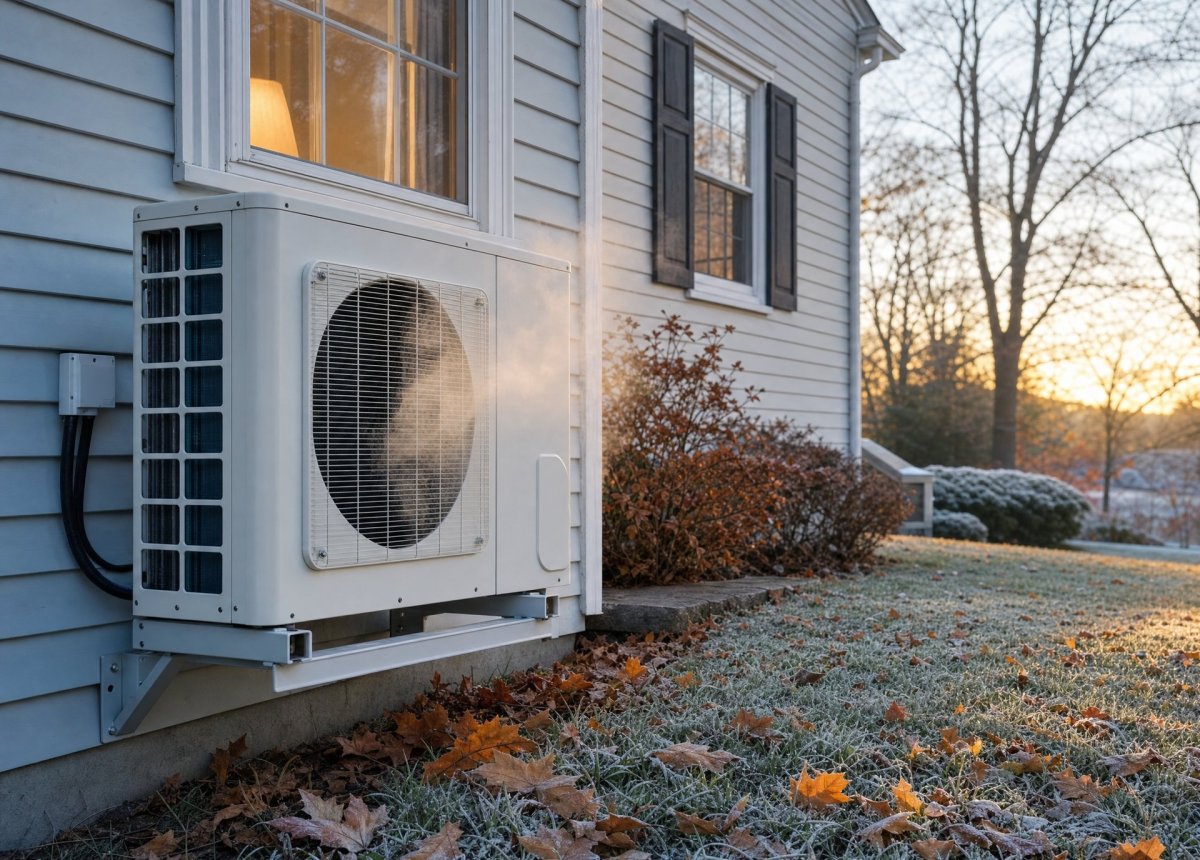
You know the routine. The system kicks on with a thunk, blasts air for ten minutes, then shuts off. The house slowly cools down until it kicks on again. The thermostat says 68, but the back bedroom feels closer to 64, and nobody can agree on where to set it.
That up-and-down pattern isn't your imagination. It comes from how the compressor in many older heat pumps and air conditioners is designed to work. Understanding the difference between an inverter vs. fixed-speed compressor is one of the most useful things you can learn before replacing a system in your Southern Tier home.
At Action Plumbing, Heating, and Cooling, our NATE-certified technicians and Mitsubishi Diamond Contractor team have been installing heating and cooling systems around Binghamton since 2006. Here's what you need to know.
How a Fixed-Speed Compressor Works
Think of a fixed-speed compressor like a light switch. It's either fully on or fully off. When your thermostat calls for heat, the compressor runs at 100 percent until the house reaches the set temperature, then it shuts off completely. When the temperature drifts down again, it starts back up at full power.
That all-or-nothing approach causes a few problems:
- Temperature swings. The system overshoots, shuts off, and lets the house cool before starting again.
- Big start-up surges. According to Mitsubishi Electric's comparison of fixed-speed and inverter compressor technology, standard systems are estimated to draw 3 to 4 times as much power at start-up.
- More wear and tear. Every start and stop puts stress on the compressor and electrical parts.
There's a sizing problem too. A fixed-speed system has to be sized for the coldest night of the year, which means it's oversized for most of the season. We covered the same issue on the cooling side in our post on why an oversized air conditioner makes your home less comfortable.
How Inverter Technology Changes the Game
An inverter compressor works more like a dimmer switch, or cruise control in your car. Instead of switching between full power and nothing, it constantly adjusts its speed to match what your home needs at that moment.
On a frigid January morning, it ramps up to full output. Once the house is warm, it slows down to a crawl and quietly holds the temperature steady. There's no hard shutoff, no cold drift, and no big surge every time it restarts.
That's why inverter-driven systems deliver steadier temperatures, run more quietly, and handle cold weather better. Mitsubishi Electric's Hyper-Heat inverter heat pumps are a good example. Many Hyper-Heat models are rated to deliver full heating capacity at 5°F and keep running well below zero. If you've wondered whether a heat pump can really handle our winters, our post on whether a mini split will heat your home through a Binghamton winter goes deeper.
What Inverter Technology Means for Your Heating Bill
Our heating season runs from mid-October well into April. But most of those hours aren't spent at 10 below. They're spent in the 20s, 30s, and 40s. That's exactly where an inverter system shines, because it can run at low speed for long stretches using far less energy than a fixed-speed unit cycling on and off.
For Southern Tier homeowners, that adds up to some real advantages:
- More consistent comfort from room to room
- Lower energy use during our long fall and spring shoulder seasons
- Quieter operation indoors and out
- Less stress on the compressor, which supports a longer system life
- Better humidity control when the system is cooling in the summer
A common misconception is that a system running "all the time" must use more electricity. In reality, running steadily at low speed is far more efficient than repeated full-power starts. If your bills have been creeping up, compare your usage history in your NYSEG account and read our guide on why energy bills keep rising and how to fix it. You can also see how homeowners are cutting energy bills year-round with ductless mini splits.
Is Your Current System Fixed-Speed?
If your heat pump or central air conditioner is more than 12 to 15 years old, there's a good chance it uses a fixed-speed compressor. Other clues include a loud thunk at start-up, lights that briefly dim when the system kicks on, and noticeable temperature swings throughout the day.
The good news is that upgrading doesn't always mean a major renovation. For homes without ductwork, or for rooms that never stay comfortable, Mitsubishi ductless mini split installation brings inverter technology room by room. For homes with existing ducts, a ducted heat pump system can tie right into the ductwork you already have.
When to Call a Professional
Reach out to a heating and cooling professional if you notice any of these signs:
- The system turns on and off every few minutes (short cycling)
- Some rooms are always too hot or too cold
- Your system is 12 or more years old and needs frequent repairs
- Your heating or cooling bills are climbing without explanation
Sometimes a repair is the right answer, and we'll tell you honestly when it is. Our team handles furnace repair and AC repair as well as new installations, so you get a straight answer either way.
Choosing the Right Inverter Heat Pump for Your Binghamton Home
When you compare an inverter vs. fixed-speed compressor, the inverter wins on comfort, efficiency, and long-term durability. For a long Southern Tier heating season, that difference shows up every month.
Whether you're in Binghamton or need heating and cooling service in Vestal, our family-owned team will walk you through your options with fair, transparent pricing and no pressure. Call (607) 205-1177 or request a free estimate to get started.