Planning a Bathroom Remodel? 5 Plumbing Mistakes Binghamton Homeowners Make
Action Plumbing, Heating & Cooling April 25, 2026 9 min read
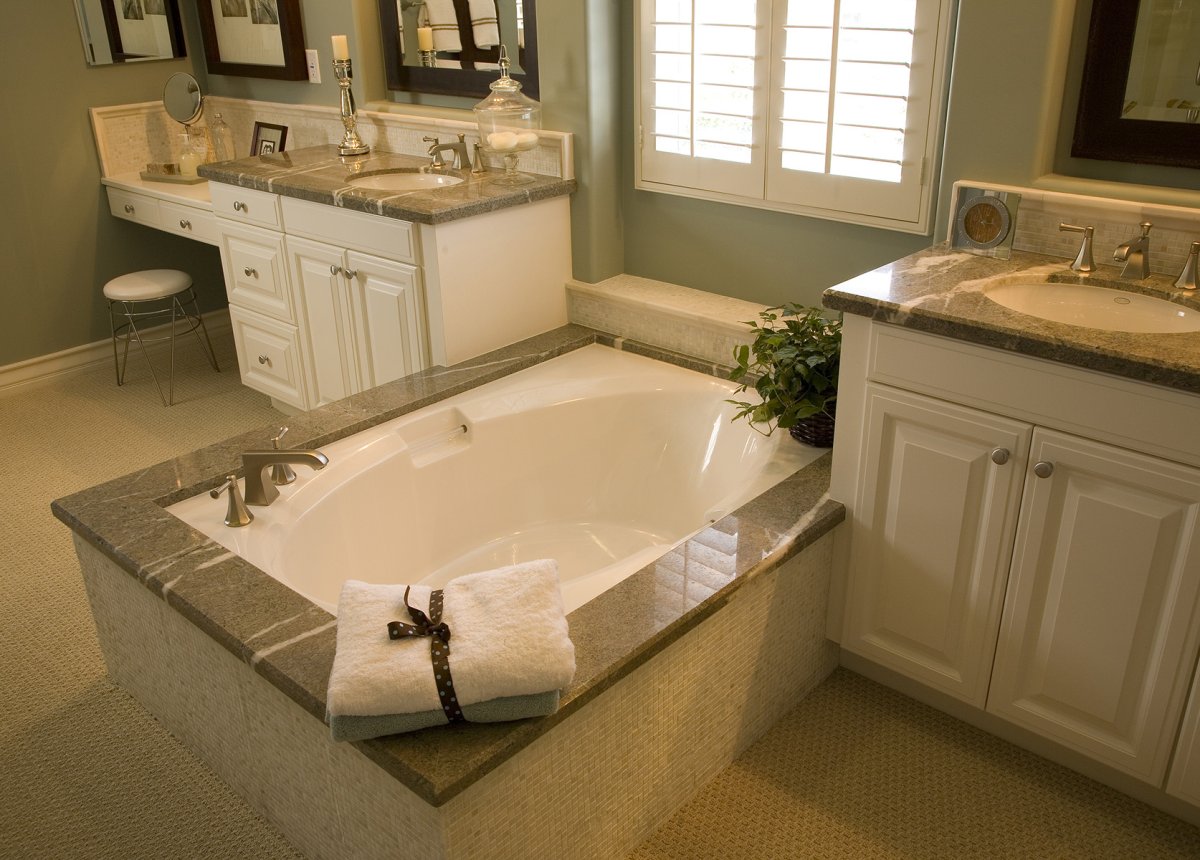
A bathroom remodel is one of the most satisfying home improvement projects you can undertake — and one of the most common sources of unexpected cost overruns. For homeowners in the Southern Tier, where a significant portion of the housing stock dates back to the 1960s through 1980s, bathroom renovations come with an added layer of complexity. Older homes often have plumbing surprises hiding behind the walls that only become apparent once the project is underway.
The good news: most of the costliest plumbing mistakes in bathroom remodels are completely avoidable when you know what to look out for and involve a licensed plumber at the right stage of the project. Since 2006, the team at Action Plumbing, Heating, and Cooling has worked alongside Binghamton-area homeowners on bathroom upgrades of every size. Here are the five mistakes we see most often — and how to avoid them.
Mistake #1: Not Inspecting the Existing Plumbing Before You Commit to a Design
The number one mistake homeowners make is finalizing a bathroom layout — deciding where the toilet, shower, and vanity will go — without first understanding what the existing plumbing can actually support. In many older Southern Tier homes, drain lines run at specific grades through the floor joists, and moving a toilet or shower drain even a few feet isn’t always as simple as rerouting a pipe.
Galvanized steel supply lines, which were common in homes built before the 1980s, are another common surprise. They corrode from the inside out, and a bathroom remodel is often the first time anyone opens up the walls and sees how bad the corrosion has gotten. Discovering this mid-project can blow a budget quickly. Have a plumber evaluate your existing system before you finalize your design, not after. It’s much cheaper to adjust the plan on paper than to change direction once demolition is underway.
Mistake #2: Skipping the Permit
Some homeowners try to avoid the cost and hassle of pulling a permit for a bathroom remodel, especially when the scope seems straightforward. This is a mistake that can create real problems down the road. In Broome County and the surrounding municipalities, plumbing work that involves moving or adding drain lines, supply lines, or vent stacks requires a permit and inspection.
Unpermitted work can affect your homeowner’s insurance coverage if there’s ever a related claim, and it comes up during a home sale when buyers’ inspectors start asking questions. A licensed plumber will pull the appropriate permits as part of the project — consider it part of the service rather than an extra burden. Your municipality’s building department website will have information on local requirements.
Mistake #3: Choosing Fixtures Before Confirming the Rough-In Dimensions
It’s easy to fall in love with a toilet, vanity, or freestanding tub online, buy it, and then discover it doesn’t fit your space. Toilet rough-in distance — the measurement from the wall to the center of the drain flange — is typically 12 inches in modern homes, but 10-inch and 14-inch rough-ins are common in older homes. Buying the wrong toilet means either returning it or moving the drain, which is a much larger project.
The same principle applies to shower and tub drain locations. Before you purchase any major fixture, confirm the rough-in dimensions with your plumber. Our team handles faucet and fixture installation and toilet replacement and can tell you exactly what will work in your existing layout. This conversation saves a lot of time and money.
Mistake #4: Ignoring Drain Venting Requirements
Plumbing drain systems need air to work properly. Every fixture drain connects to a vent pipe that runs up through the roof, allowing air into the drain system so water flows freely and sewer gases don’t back up into the house. In a bathroom remodel, especially when adding a fixture or relocating one, the venting requirements need to be addressed — and they often aren’t by homeowners who are planning the project themselves.
Signs of inadequate venting after a remodel include slow drains, gurgling sounds from toilets or sinks when another fixture is used, and sewer odors in the bathroom. Fixing a venting problem after the walls are closed back up is expensive. Make sure your plumber reviews the vent configuration as part of the planning process. This is connected to your overall pipe and drain system, not just the fixtures you’re installing.
Mistake #5: Treating Plumbing as an Afterthought
Bathroom remodels are often driven by the aesthetic vision — the tile, the fixtures, the lighting. Plumbing gets treated as a background detail to be handled quickly and cheaply so the “real” renovation can move forward. This mindset leads to shortcuts that cause problems years later.
Good plumbing in a bathroom remodel means using quality materials and fittings, proper support for supply and drain lines, the right pipe sizing for the fixtures you’re installing, and shutoff valves at each fixture for future serviceability. It also means pressure-testing the system before the walls go back up. These details don’t add dramatically to the cost of a remodel, but skipping them can lead to hidden water leaks and water damage in the years that follow.
If your remodel involves older galvanized supply lines, this is an ideal time to replace them with copper or PEX — a worthwhile upgrade that protects your new bathroom investment and improves water pressure throughout the house. See our post on plumbing upgrades that add value for more context on where remodel dollars have the most impact.
When to Call a Plumber During Your Bathroom Remodel
The right answer is: before you finalize your design, not after. Getting a plumber involved early in the planning process saves time, money, and headaches. Specifically, you should bring a plumber in for:
- Pre-remodel inspection of existing supply lines, drain lines, and venting
- Rough-in verification before purchasing fixtures
- Any work that involves moving or adding drain or supply lines
- Fixture installation — toilet, faucet, shower valve, and tub
- Final connection and pressure testing before walls are closed
For homes with older plumbing, it’s also worth asking your plumber about water line condition while the walls are open. If lines are nearing end of life, replacing them during a remodel is far less disruptive than doing it as a standalone project later.
Ready to plan your bathroom remodel the right way? Call Action Plumbing, Heating, and Cooling at (607) 205-1177 or request a free estimate online. We serve homeowners throughout Greater Binghamton and the Southern Tier, and we’ll help you avoid the surprises that turn a renovation into a headache.
Frequently Asked Questions: Bathroom Remodel Plumbing in Binghamton
A bathroom remodel should be exciting, not stressful. When you bring Action Plumbing, Heating, and Cooling into the project early, you get an honest assessment of your existing plumbing and a clear plan for the work ahead — no surprises. Call (607) 205-1177 or request a free estimate online. Serving Greater Binghamton and the Southern Tier since 2006.